Masters of Reality: Alessandro Conti
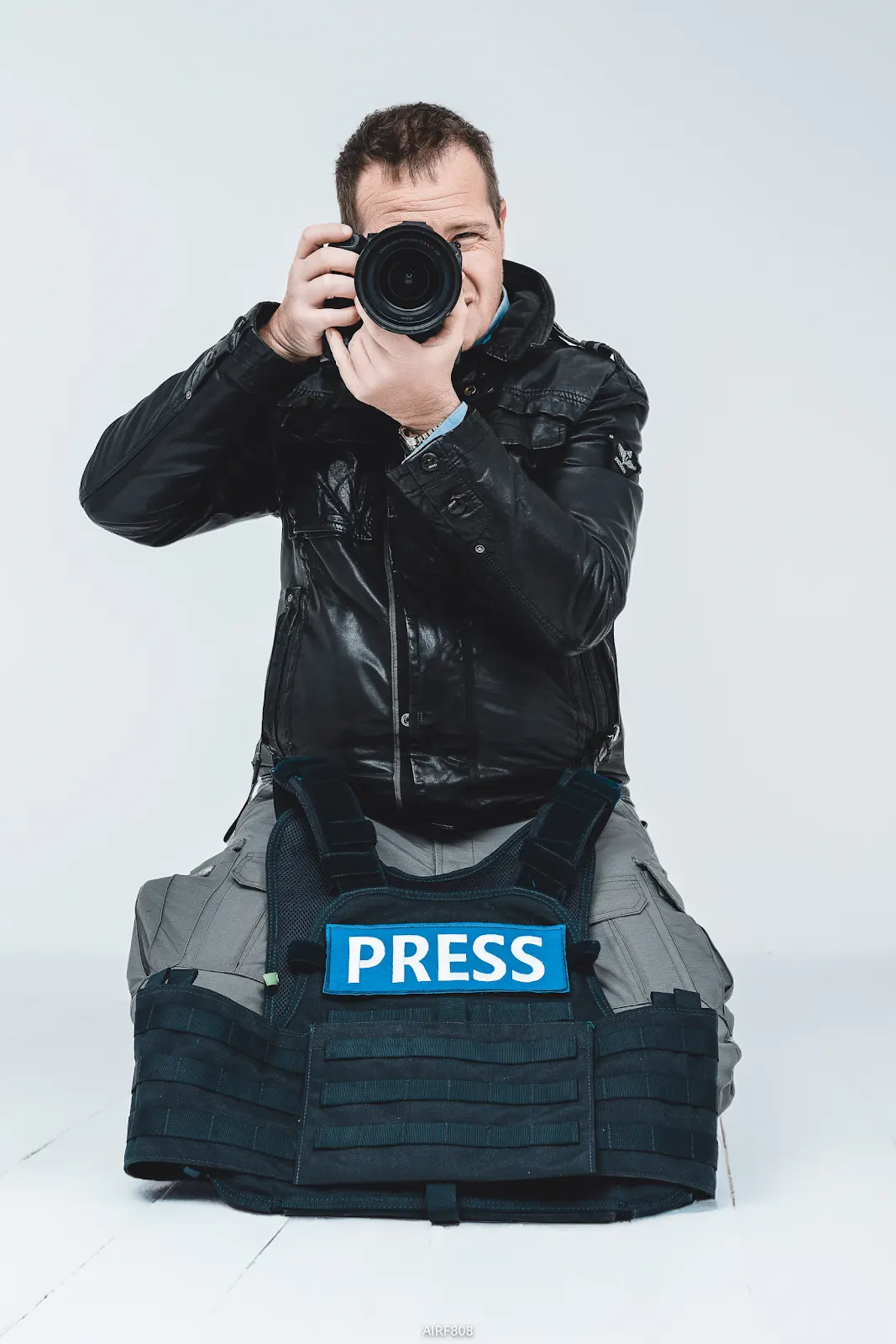
Alessandro Conti is a photographer and a person I deeply esteem, both behind the lens and in everyday life. He is a reporter, a friend, and a colleague with whom I share a common vision. What began as a simple professional dialogue has, over time, transformed into something much denser, built on constant phone calls, exchanges of ideas, and continuous updates straight from the field.
Despite the miles between us, when SFE began to take shape, life, and a precise direction, Ale was there. He closely witnessed the entire development process at a time when my personal and professional life was completely underexposed, in the dark, searching for its light.
I am truly proud that the first official interview for this site is with him. The value and substance he brings to SFE through his words and experience are immense.
Thank you for everything, Ale.
1. The Field Identikit: Forget your name and your publications. If you had to describe your attitude, your way of immersing yourself in a reality to be documented, or reacting to the unexpected solely through three elements of your daily chaos, who are you?
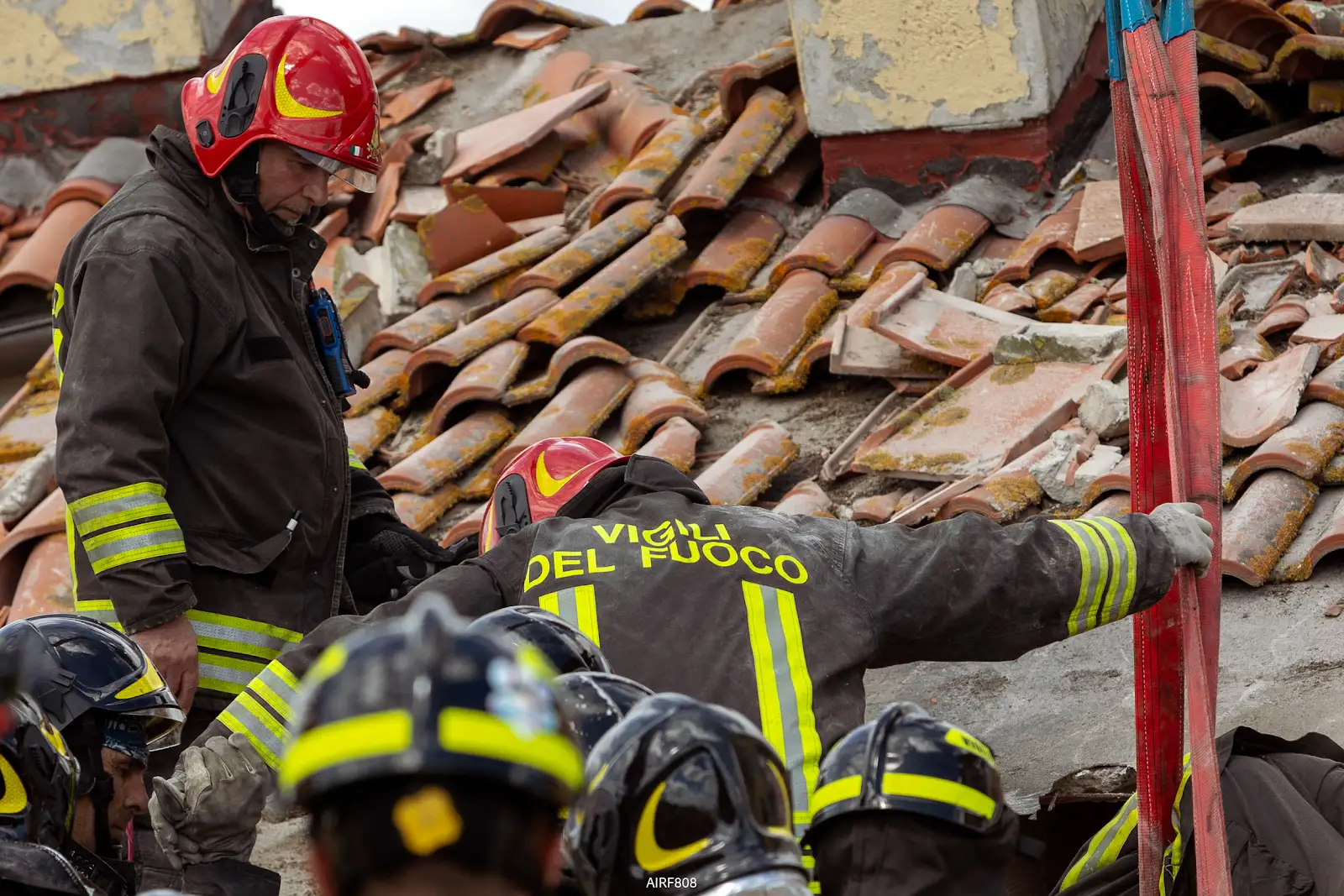
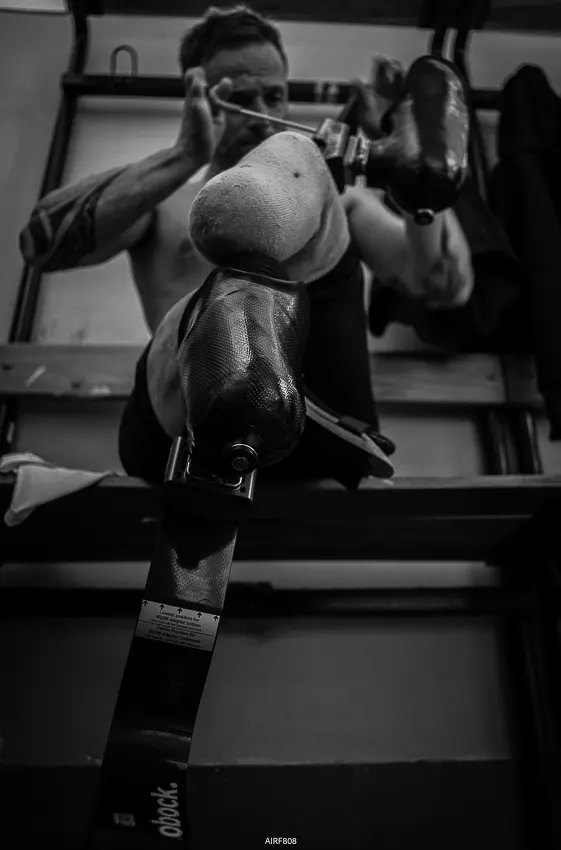
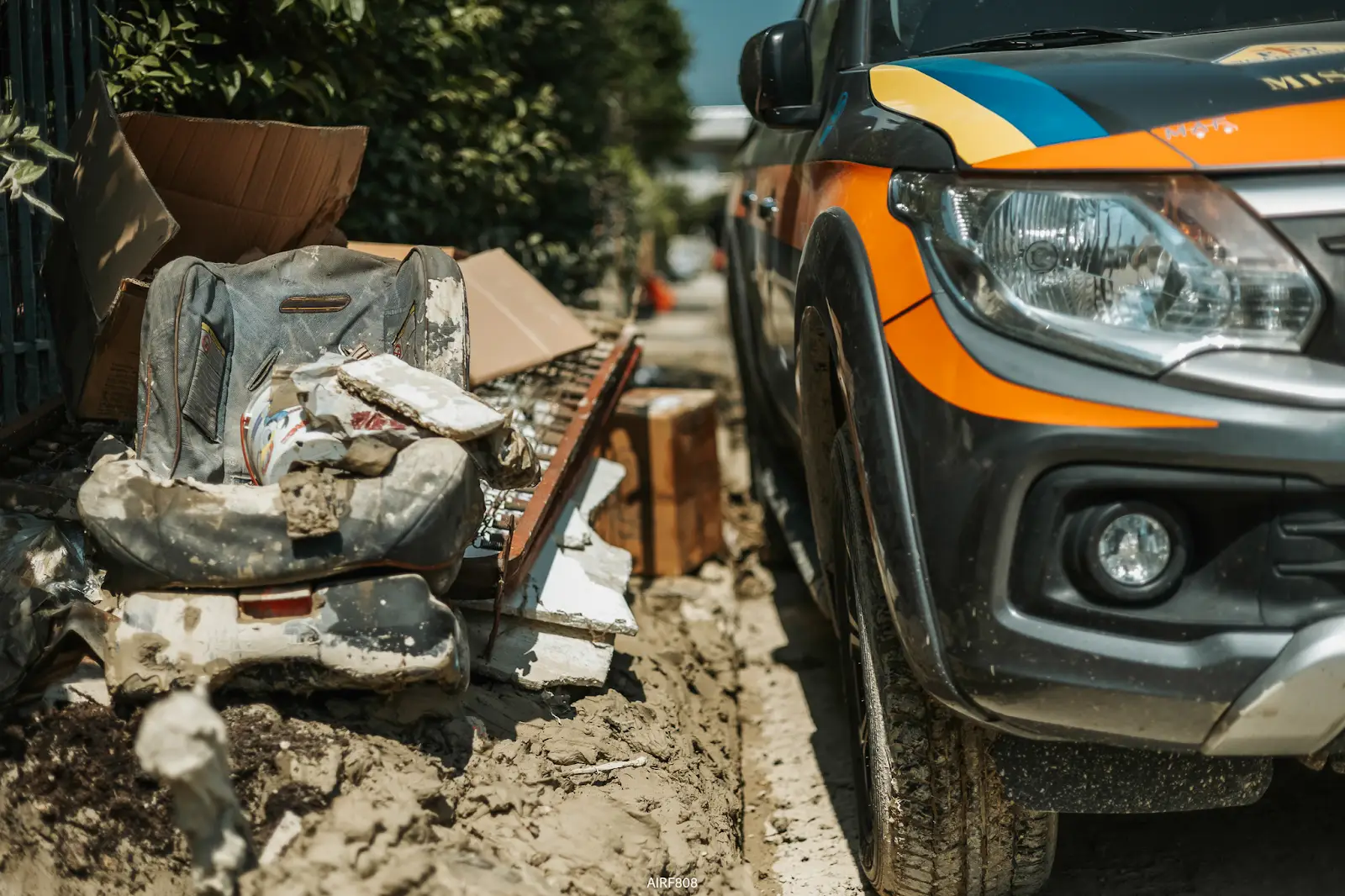
I am a backpack that is always ready, a worn-out volunteer card, and a pair of dirty shoes. The backpack is my way of being in the world: ready to leave, even when I do not know where the day will take me. It could be a hospital ward, the edge of a fire, a runway, a border, a stolen dawn between one job and another. Inside are the cameras, of course, but above all, a choice: to enter stories on tiptoe, without asking reality to make itself beautiful, without demanding that pain, fatigue, or hope strike a pose. The volunteer card, worn down by time and hands, reminds me of where I come from and what comes before any image. Before taking a photograph, I must understand: where I am, who is in front of me, how close I can get, and when to stop. There are moments when the camera is not the most important thing. I have documented fear, the exhaustion of healthcare workers, the silent weight of those going through an emergency. But I learned that, sometimes, the right gesture is to lower the lens, stay close, say a word, offer a presence. In those moments, you are not just a photographer: you are someone who must know how to inhabit the limit, with respect. The dirty shoes tell the rest of the story. They tell that the unexpected is never truly observed from a distance. You have to walk through it, feel it on your skin, accept the dust, the mud, the sirens, the waiting, the sleepless nights, the silences that come after the noise. That is where my photography is born: not from the need to bring order to chaos, but from the attempt to listen to it without betraying it. I look for truth, but not an aggressive truth. I look for it with tact, with modesty, knowing that every face I meet carries something that does not entirely belong to me. I do not photograph to take, but to safeguard. Not to construct easy images, but to leave honest traces. I hope that, years from now, looking at one of my photographs, someone can still feel that all of this really happened. That those hands worked, those faces resisted, those eyes felt fear and courage at the same time. That inside the emergency, even when everything seemed to break, there was still something profoundly human
.
2. Framing in the Mud: Tell me about a social context or a situation that is absolutely invisible or squalid to the masses, but where your eye sees the news, a powerful composition, and a story that must be told to reveal the tallest shadow.
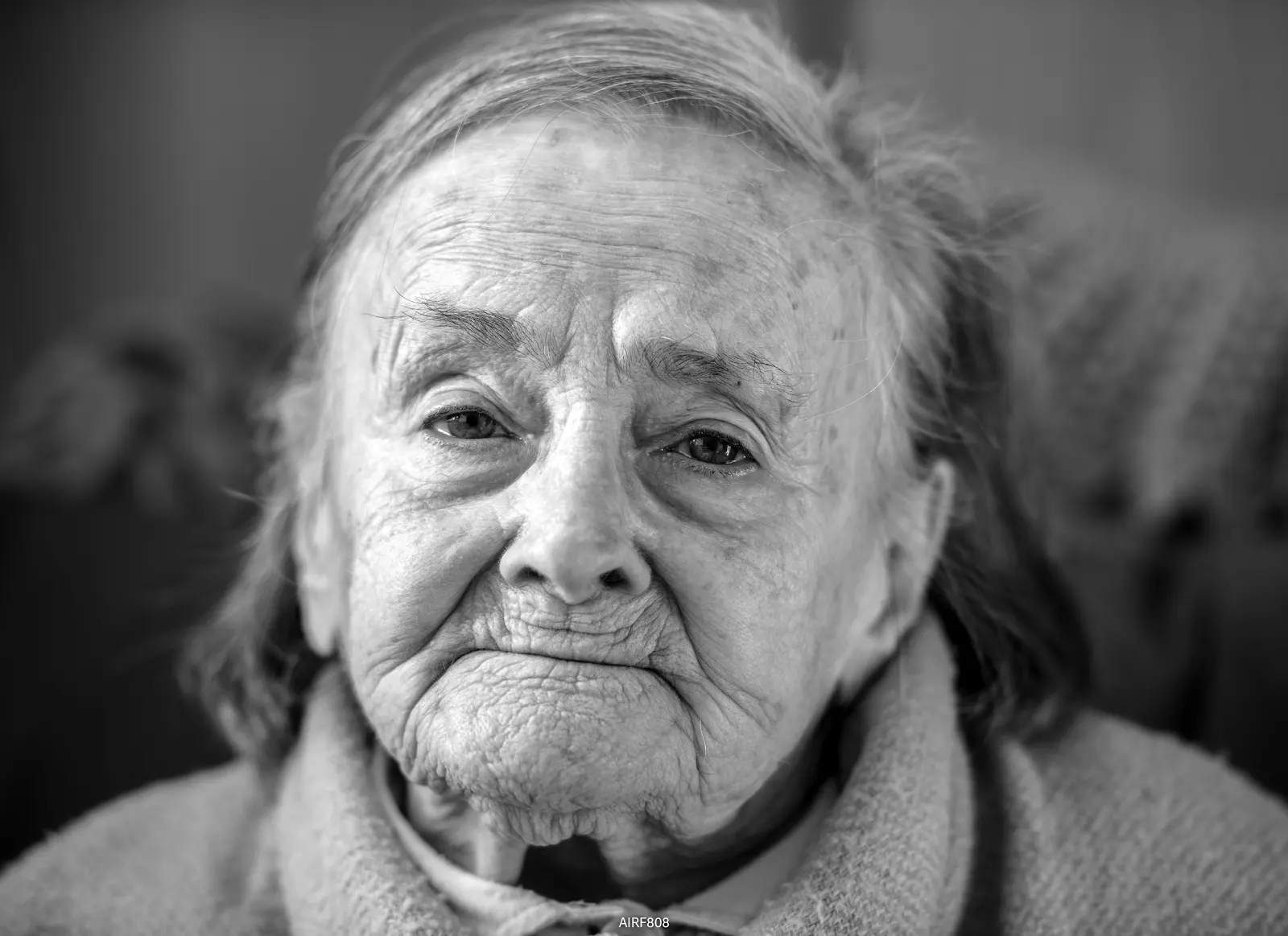
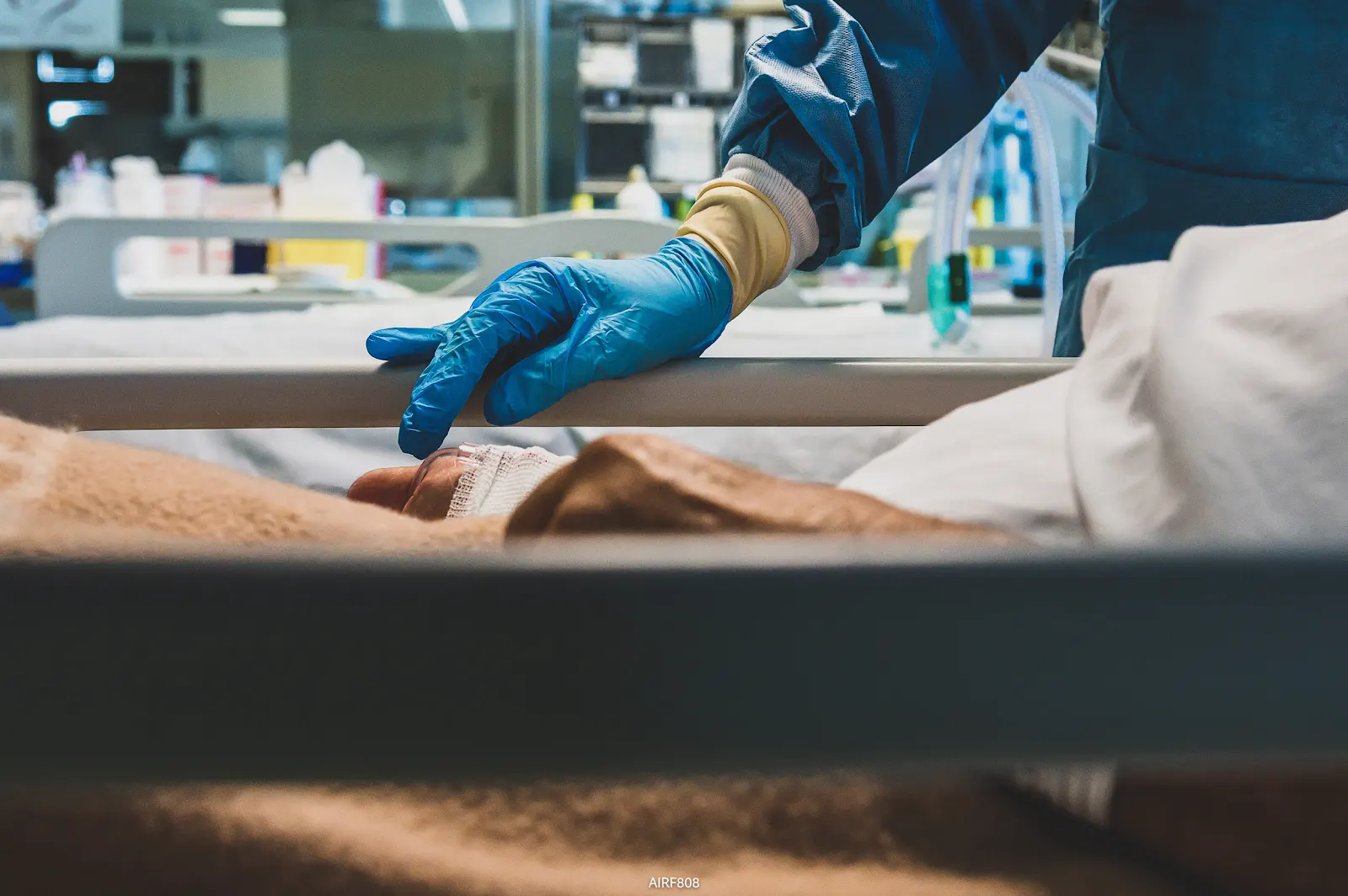
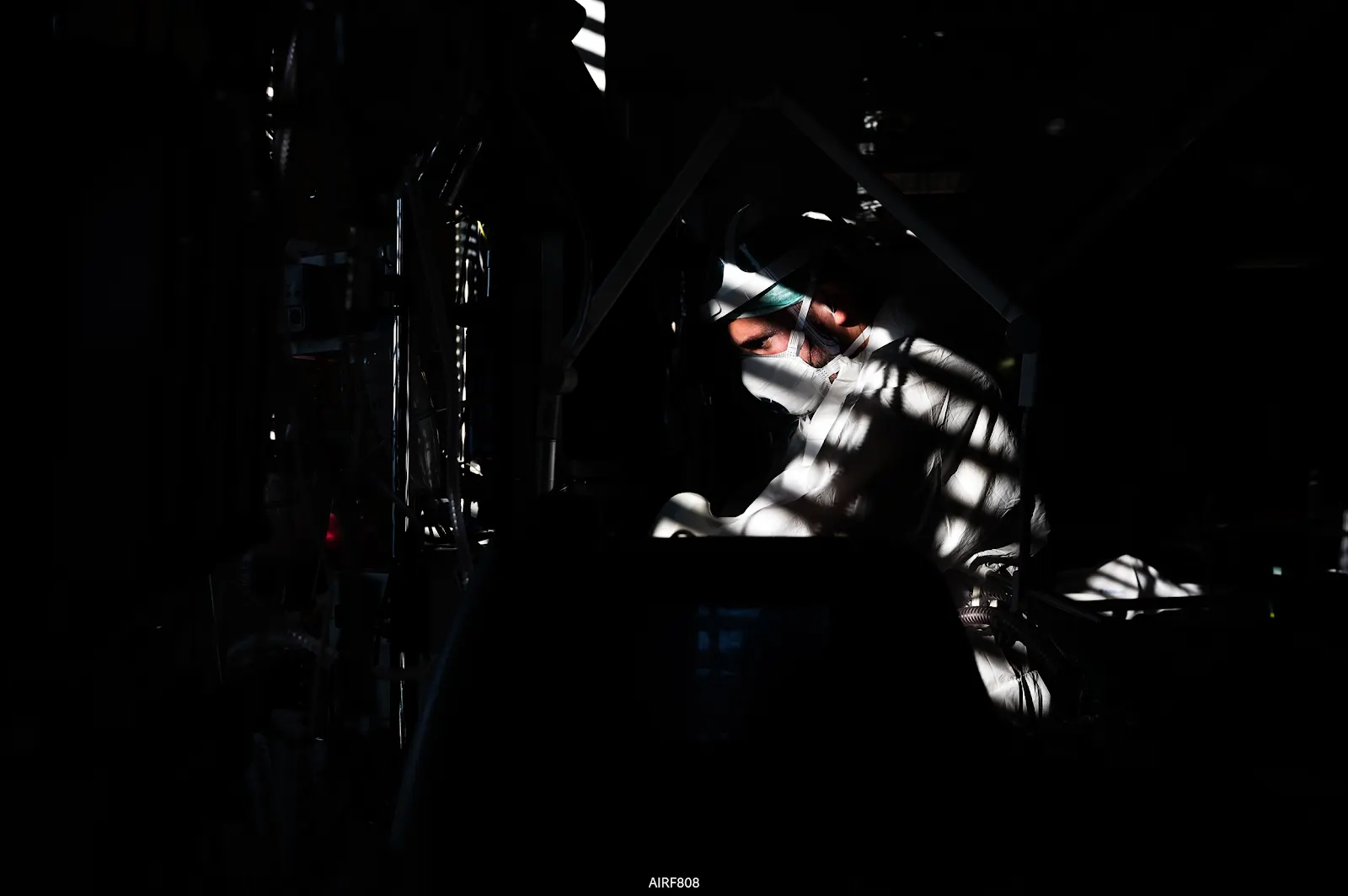
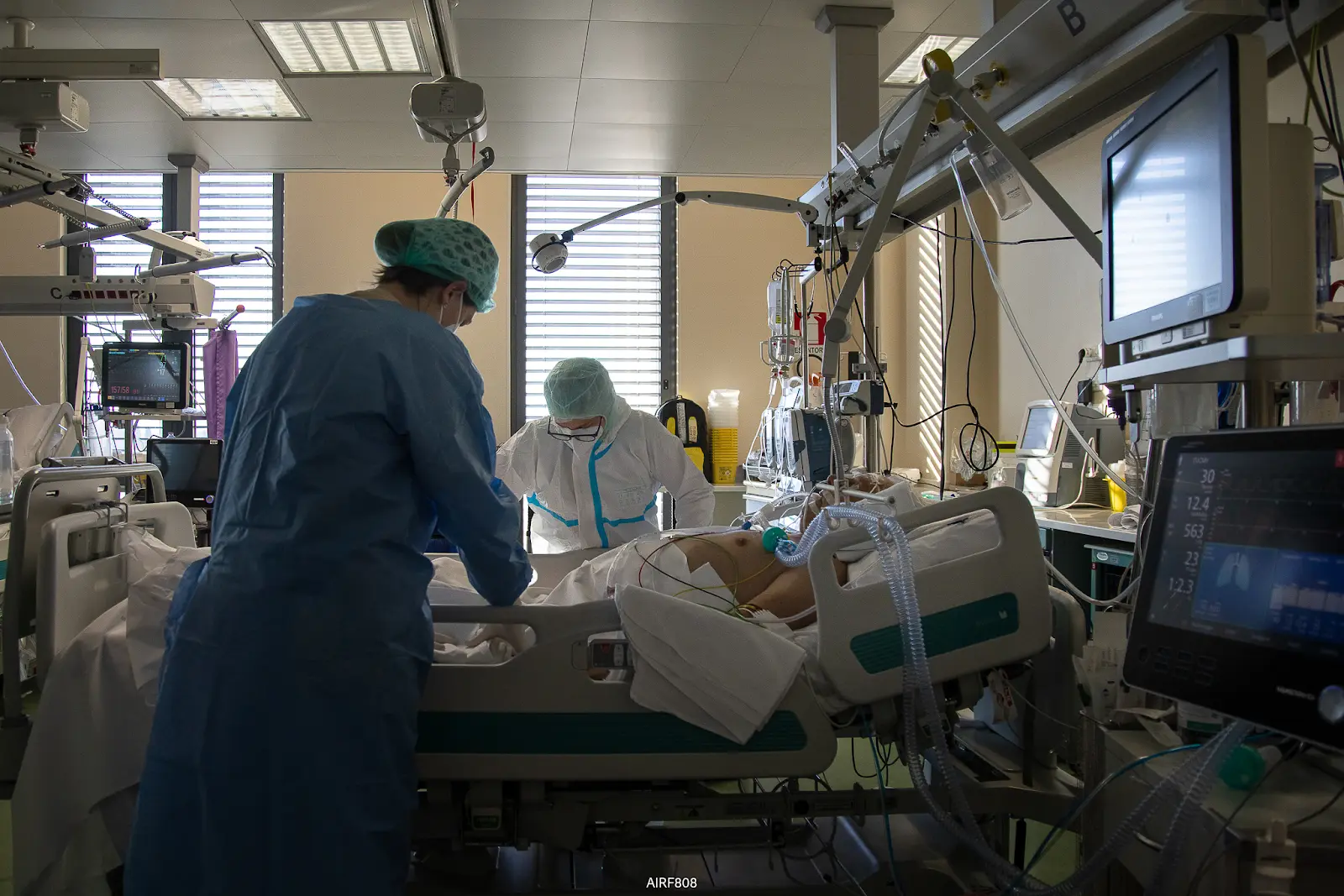
The context I would choose is a hospital ward at night, when the city outside turns off and seems to forget everything that continues to happen inside. For many, it would be a place to avoid. The cold neon lights, the persistent smell of disinfectant, the masks, the gloves, the sweat, the held-back fear. Fragile bodies, slow breaths, heavy silences. It is not a beautiful place, nor a comfortable one. It is not a scene one wishes to look back on. It is one of those places that society prefers to remove: illness, old age, loneliness, dependence on others, the most vulnerable part of the human being. Yet, that is exactly where I see the news. Not in the shouted tragedy, not in the sensational event, but in the small gestures. In a hand adjusting an IV line with delicacy. In a nurse with tired eyes, almost emptied, who remains present anyway. In a patient looking into the eyes of a stranger for the face of a son, a daughter, a grandchild who cannot enter. In that silent need to be seen, even when the body is weak and the voice can no longer ask. Photography, in a place like this, should not look for pain. It should look for what resists inside the pain. A light in the dark. A reflection on a visor. A back bent by fatigue. Two hands holding fear and dignity together for an instant. For me, mud is not only the visible mud of emergencies, fires, destroyed roads, or battlefields. There is also an invisible mud, made of endless shifts, sleepless nights, tired bodies, departments that continue to function while outside the world waits for everything to pass. It is a less spectacular fatigue, but deeply profound. A fatigue that rarely makes noise, and precisely for this reason risks not being remembered. Telling a story like this requires respect. You must approach without stealing, look without violating, photograph without turning suffering into a show. I would not look for the easy tear, nor the most dramatic image. I would look for the truth: the one found in faces, in details, in the gestures that nobody notices and that instead hold everything together. A story like this must be told because, years from now, we risk remembering only numbers, bulletins, restrictions, statistics. I, instead, want the faces to remain. The memory of who cured, who resisted, who was afraid, who felt alone. I want the humanity of those closed rooms to remain, where even in the most fragile moment, someone kept looking for family, presence, warmth. And perhaps it is precisely there, in that silent darkness, that a photograph can become necessary.
3. The Bill in the Dark: What is the shadow that hides behind your visual talent? Living with the raw reality of reportage and documenting those who suffer has a price to pay when the camera is turned off. What is yours?
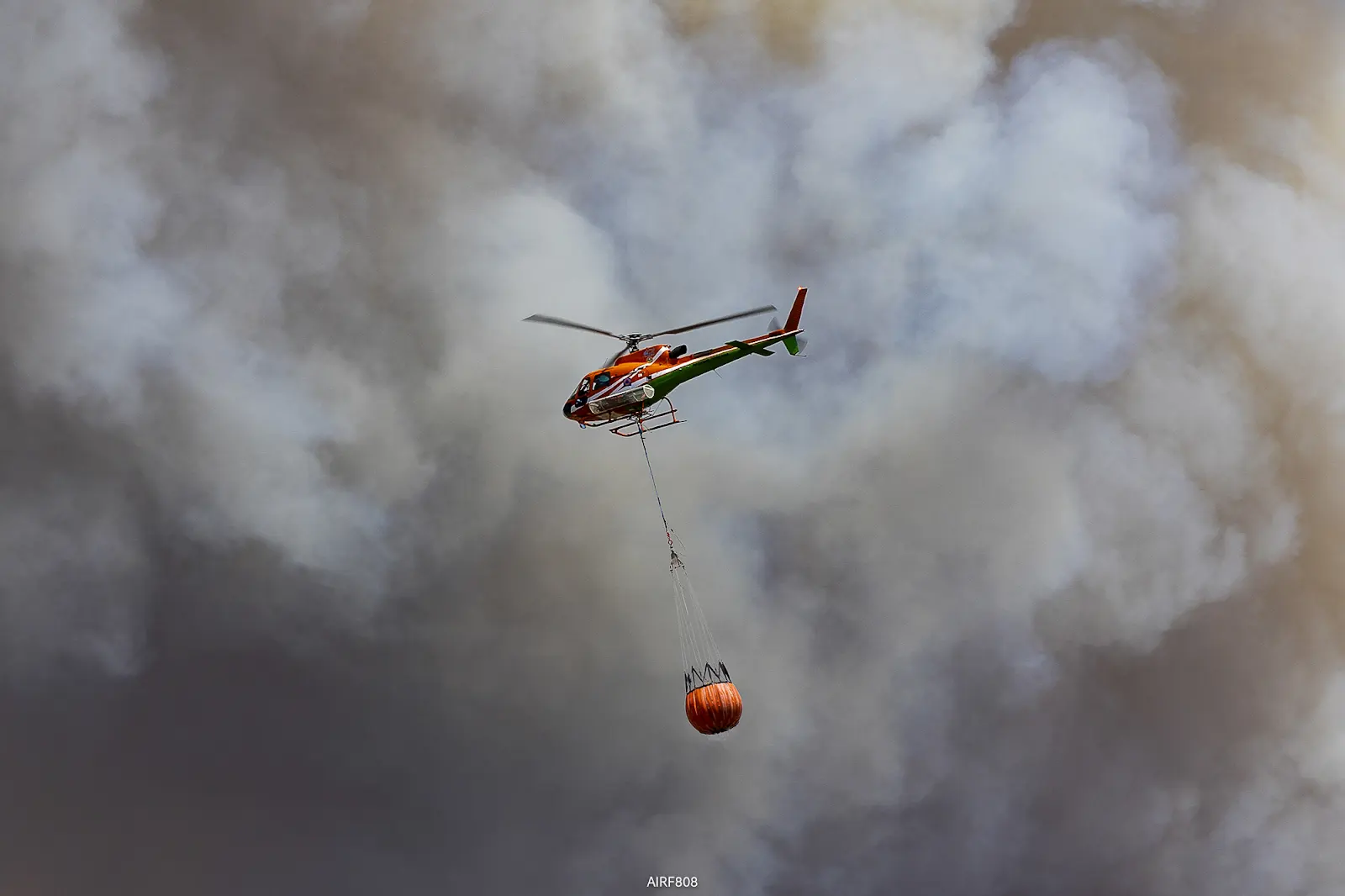
When I photograph a harsh scene, I try to stay in my place: not to get in the way, not to spectacularize, not to take away dignity. The camera serves to witness, but it is not a shield. It lets you enter, it offers you a technical distance, but then that distance ends. The price comes later, when I return home and there is no longer the noise of the ward, the siren, the water bomber, the radio. The eyes remain. The hands remain. The people remain who, perhaps for a few minutes, saw me not as a photographer, but as a son, a grandson, a human presence. In those moments, I have also lowered the camera. Because in front of certain patients you cannot think only about the framing: you have to know how to take a hand. My biggest shadow is this: carrying with me a part of the stories I photographed. Not just death or fear, but also loneliness, the desire for family, the fatigue of those who care, the dignity of those who resist. Photography asks you to look when many would prefer to forget. But then that looking does not turn off together with the camera. If there is a visual talent, behind it there is also a condemnation: remembering too well. The light of five in the morning on a tired nurse, the silence of an intensive care unit, the weight of every image as a responsibility. The bill I pay is no longer being able to say “I did not know”. After certain jobs, reality does not go back to being neutral. It changes the way you see things. But I do not consider it only a burden. It is also the reason why I keep going. Because if those images remain, if one day someone looks at them and understands what really happened, then that bill was not paid in vain.
4. The Declaration of War: If your photography were not guided by ethics or witnessing, but by a deep vengeance or a visceral resentment, against which systemic hypocrisy or piece of the world would you wage war through your lens?
I would wage war against the hypocrisy of time-limited gratitude. Against that piece of the world that applauds doctors, nurses, volunteers, rescuers, firefighters, emergency workers, but then leaves them alone when the siren stops and the news is no longer marketable. It bothers me how the system transforms pain into rhetoric: the hero for a week, the banner, the post, the emotional quote. Then what remains are the grueling shifts, the full wards, the families forced to stay far away, the patients looking for a hand, the volunteers entering the smoke, the people working in fear while outside everyone just wants to go back to forgetting. If we remove ethics and testimony, my photography would become a form of accusation. Not against individuals, but against collective erasure. Against the habit of looking only at the clean image of the emergency and never at the back of it: the dark circles under the eyes, the sweat under the uniform, the bureaucracy, the silence after the trauma, the loneliness of those who care and those who are cared for. I would photograph what the system tries to make digestible. Not the heroism for a poster, but the human price. Not the uniform as a symbol, but the person inside the uniform. Not the sick person as a number, but the face. Not the disaster as a spectacle, but the invisible work that prevents the disaster from becoming definitive. My war would be against this hypocrisy: wanting salvation without looking at who makes it possible. Using big words like care, community, emergency, memory and then emptying them when they are no longer useful. I would aim the lens right there, at the point where society gets emotional but does not change.
5. The Obsession of the Narrative: Every great reporter has an unhealthy mania while developing a long-term story. What is that visual detail, that constant, or that fixed thought that haunts and consumes you until the project is closed?
My obsession is to find the exact moment when a story stops belonging to breaking news and begins to become memory. When I work long term on a project, it is almost never the strongest image that stays with me. It is not the harshest one, the most obvious one, the one that strikes immediately or seems to work at first glance. What chases me is almost always a fragile, silent detail. A gaze that does not look for the camera. A hand left suspended. An imperfect light, maybe at five in the morning, when fatigue can no longer be hidden and every gesture loses its defense. In reportage, it is not enough for me to prove that something happened. For that, numbers, press releases, bulletins, and reconstructions exist. I look for another truth, harder to grasp: the point where a person, even for a single instant, manages to tell more than the context surrounding them. The eyes of an exhausted nurse while continuing to take care of a patient. A visor fogged up by breath. A hand looking for another hand. A daily gesture inside a reality that should not be daily. That is where, for me, photography truly begins to speak. My mania, perhaps an unhealthy one, is that until I encounter that image, I cannot close a story. I can have thousands of shots, strong scenes, important moments, necessary photographs. But if that detail capable of holding dignity, fatigue, and humanity together is missing, I feel I have not yet found the heart of the work. As if I had documented everything, but not told the truth. And then there is another obsession, even deeper: not to betray those I photographed. Not to transform pain into form. Not to use suffering as an emotional shortcut. A photograph can stay with you, of course. It must do so, perhaps. But it must never take anything away from the person it portrays. It must not appropriate their vulnerability. It must not ask pain to become beautiful. Perhaps my fixed thought is all right here: looking for an image that, five or ten years from now, does not make those who look at it say “what a beautiful photograph”, but “now I understand”. Until this happens, for me, the story is not finished. It is still open. It still breathes. It still asks me to stay. Look at the fact that after the book Luce nel Buio, which covers 13 months of the Pandemic, I pushed myself until the end of the emergency, meaning I went from February 5, 2020, with the appointment in the crisis unit and DPC protocol, up to January 28, 2022.
6. The Ghost in the Frame: Is there a reportage or a situation that you were never able to bring home? One that you lost out of fear, due to an ethical block, or because you rightly preferred to intervene and help instead of raising the camera?
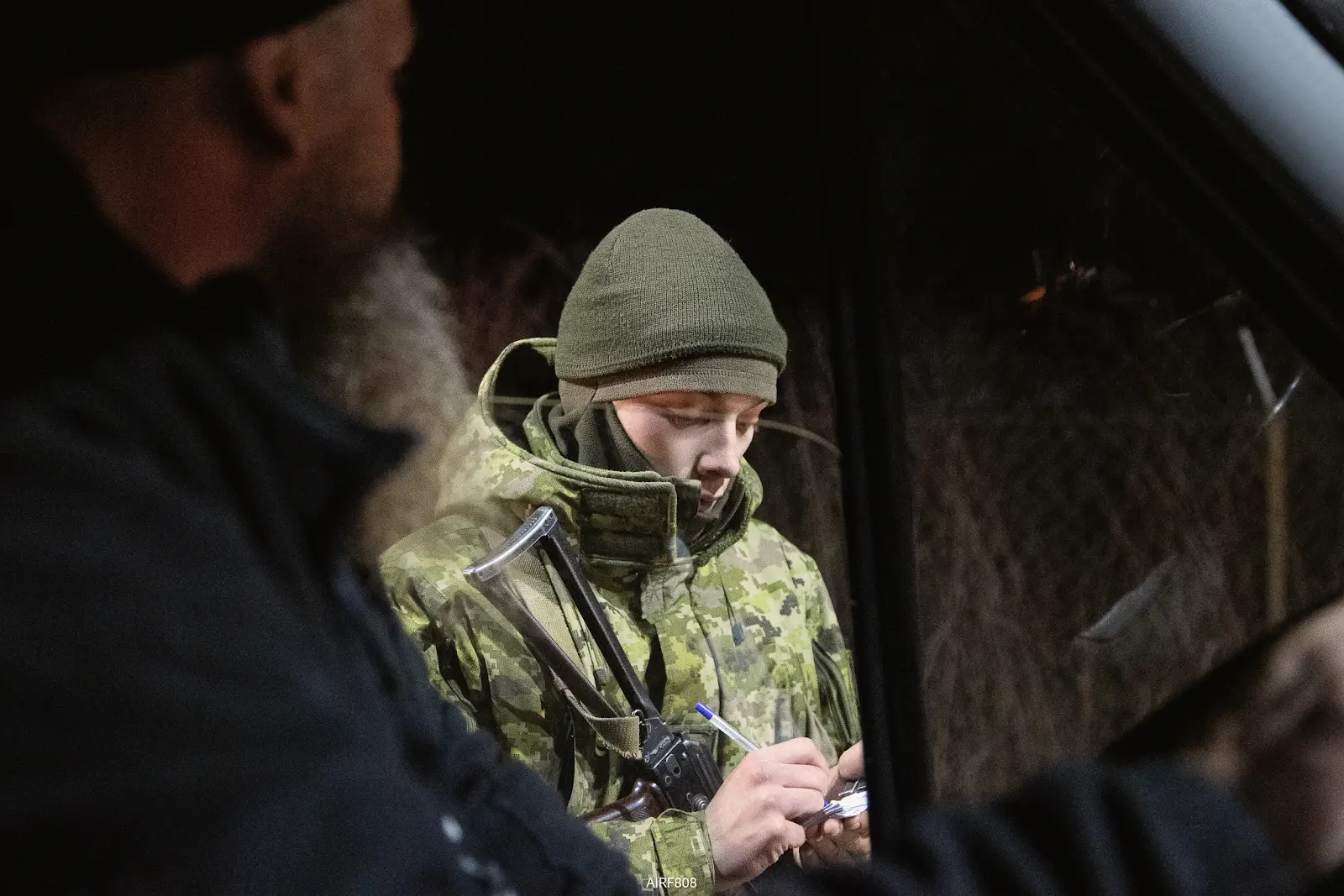
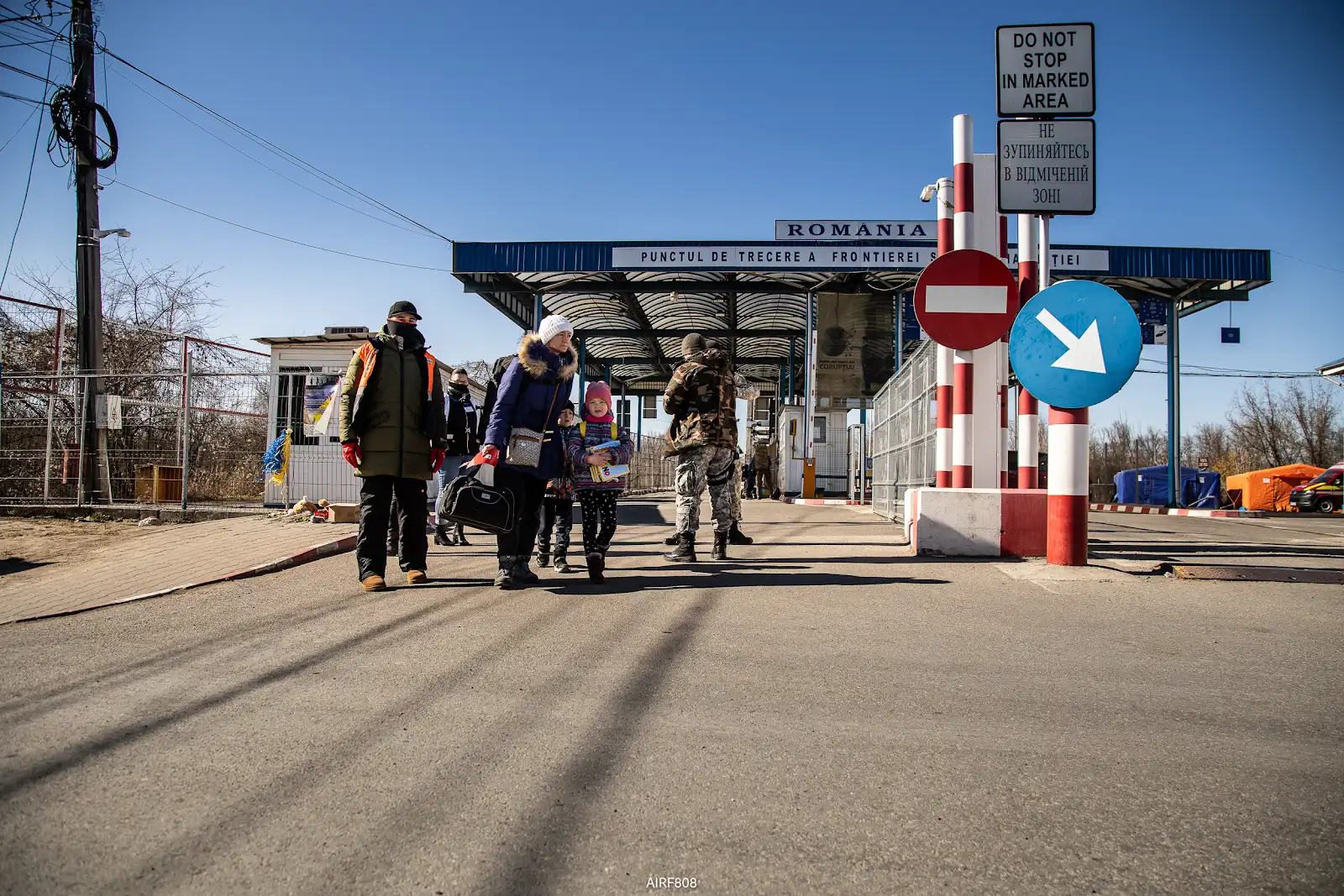
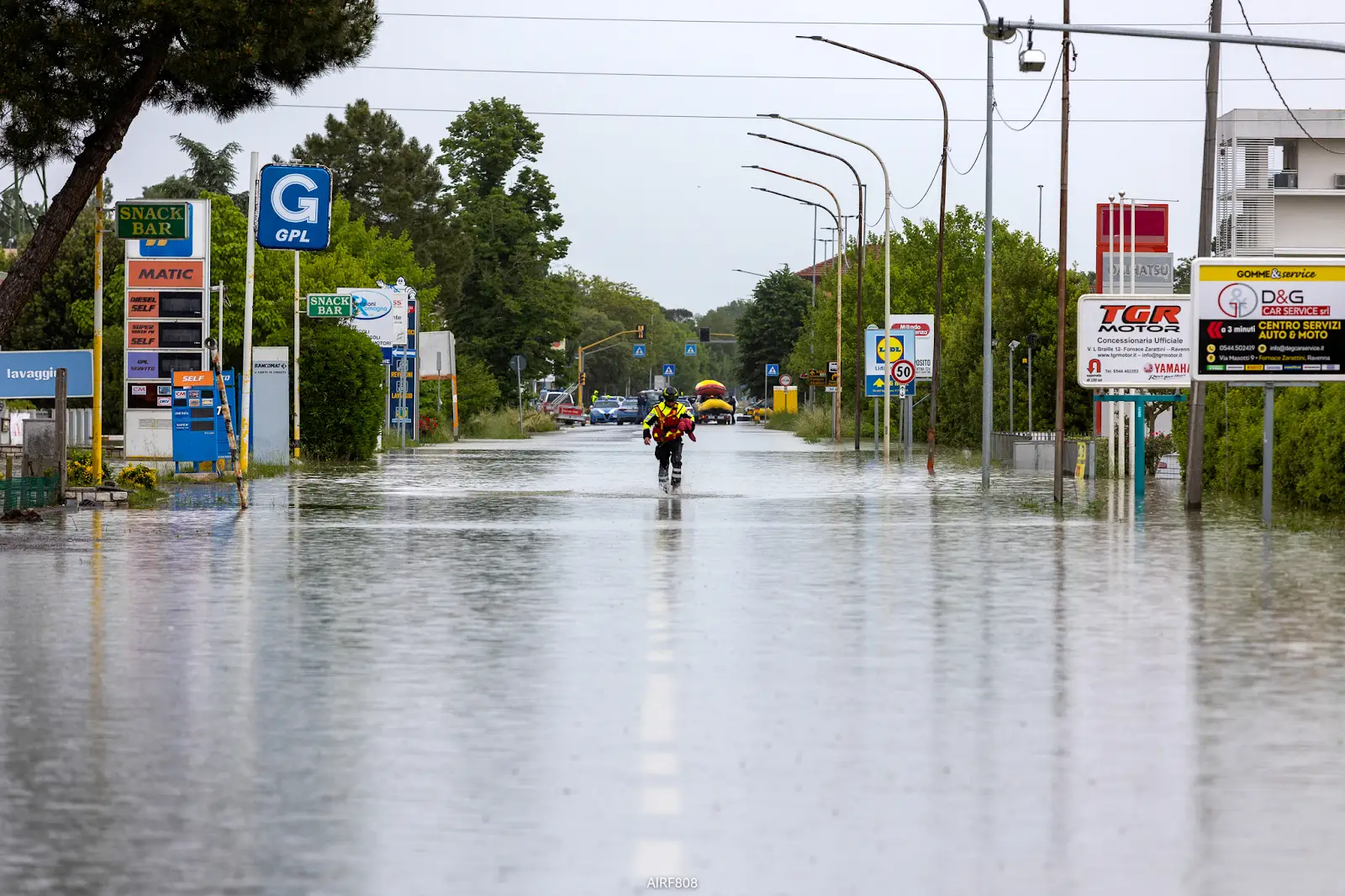
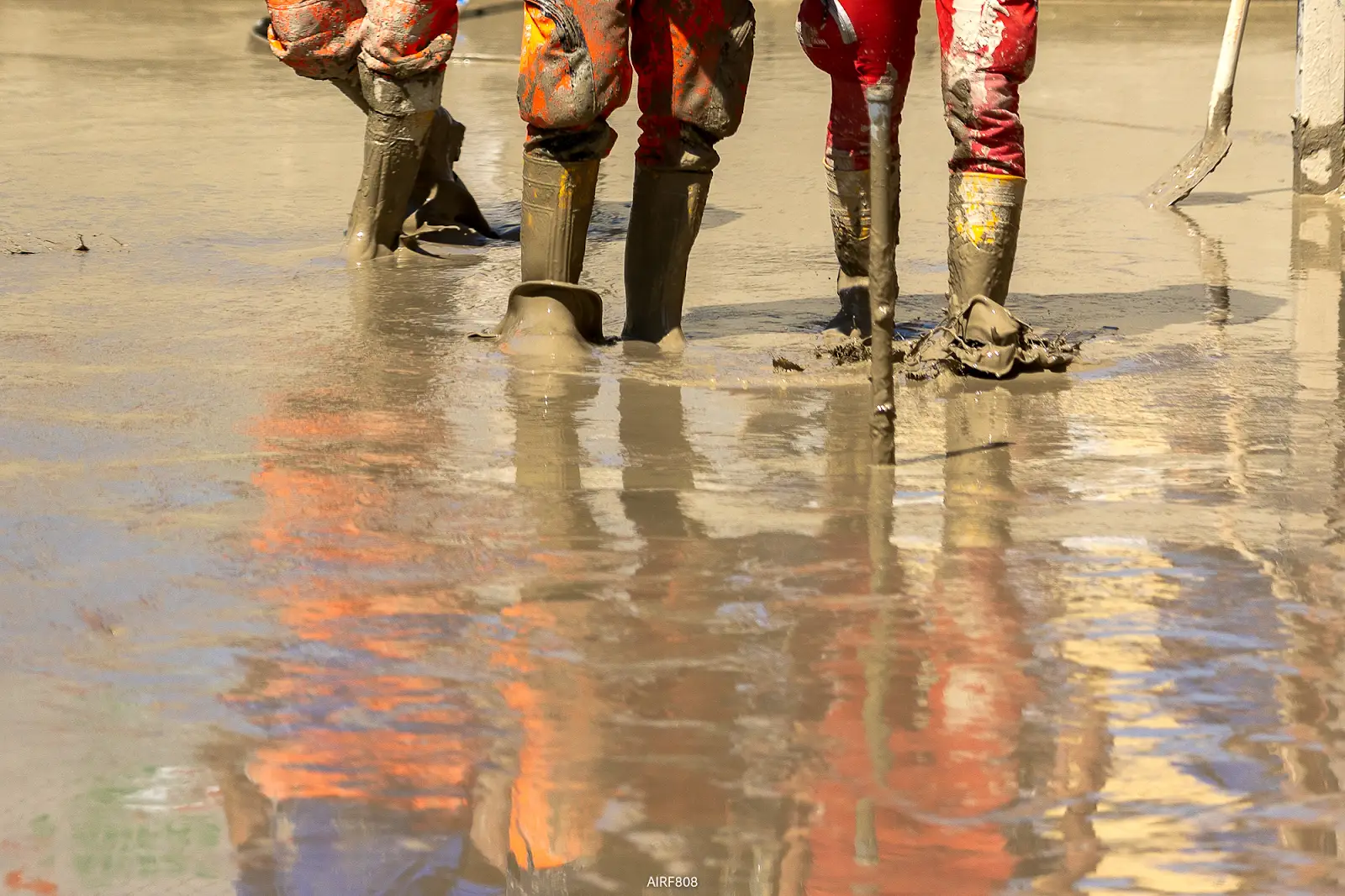
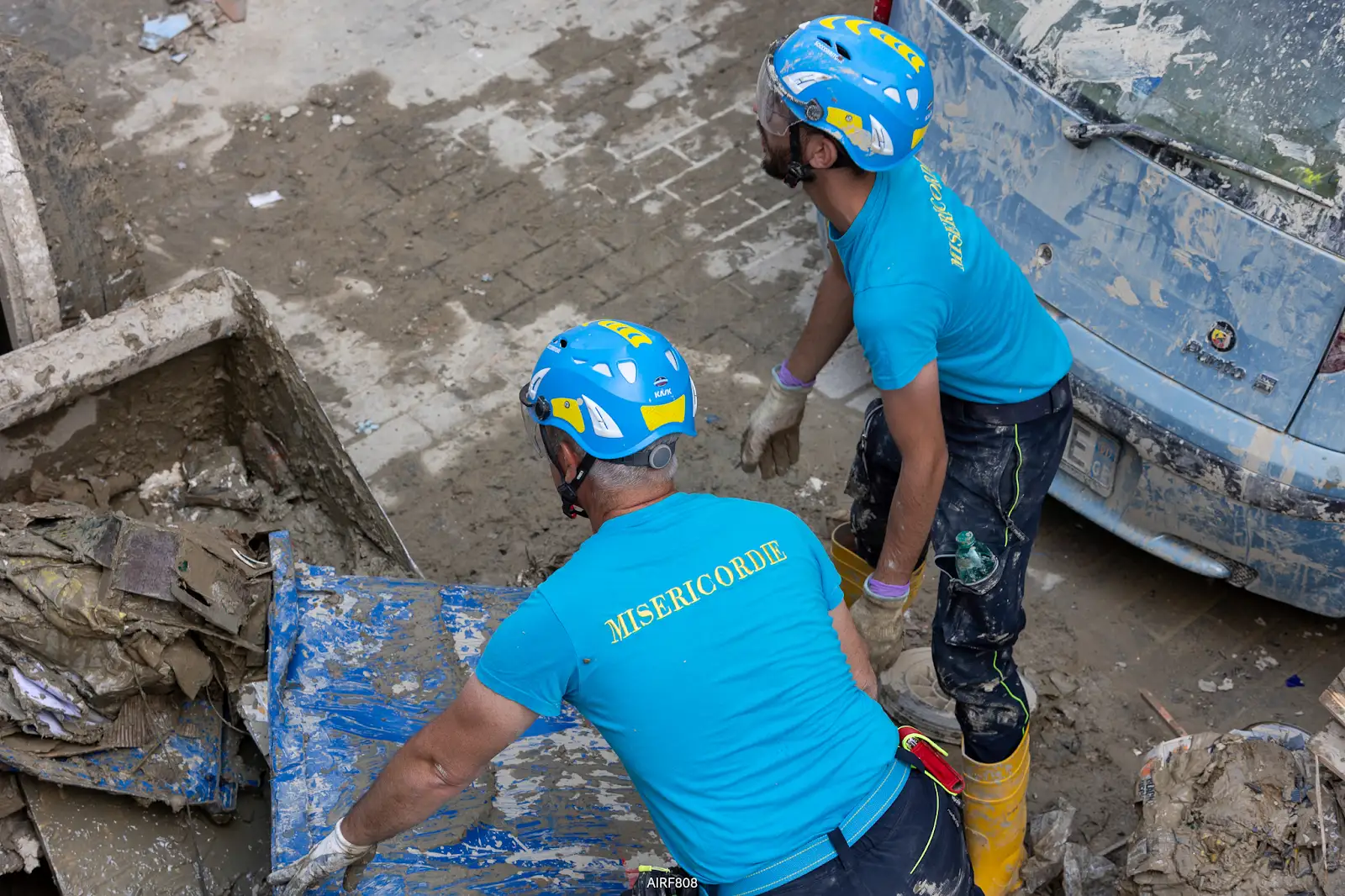
Yes, there are images that I did not bring home. And perhaps they are precisely the ones that, more than any others, stayed with me. I do not live them as missed opportunities. I do not consider them mistakes. I consider them boundaries. The exact point where you understand that a camera can tell a lot, get close to pain, cross history, but it can never replace a human presence. It happened to me in Ukraine, in 2022, under the requests of the military, inside a reality where every gesture had a weight and every choice could seem insufficient. There were moments when the scene was in front of me, clear, powerful, necessary. But not everything that happens before your eyes must become an image. Sometimes you have to understand when to stop. When to lower the lens. When respect matters more than the shot. I think of a little girl met at the border, fleeing the war, with a little dog squeezed in her arms. I knelt down next to her. I tried to talk to her. Then I lowered the camera. In that moment, it was not needed. There was no composition to look for, nor a photograph to tear away from pain. There was only a little girl in front of me. And I, there, felt useless. Helpless. Small. As a photographer, as a volunteer, as a human being. It is in moments like this that you truly understand what helplessness is: not as a word, but as a weight in your body. It also happened to me in 2023, during the emergency in Romagna. There, the boundary was different, more physical, more brutal. There was a choice to make between shooting or being overwhelmed by mud. Between staying behind the frame or putting down the camera and helping. Because the mud does not wait. It enters houses, clothes, lungs, memories. And in front of certain scenes, photography is no longer enough: either you are present, or you are just someone watching. So I put down the camera. And I chose to be there. The reportage you do not bring home is not always the one you lose out of fear. Sometimes it is the one you choose not to do because you understood that that image would have been less important than the gesture. My ghost in the frame is this: knowing that not everything I see belongs to me. That not every pain can become photography. That there are scenes to be told and others in front of which you must simply remain human. And if that choice does not produce a photo, so be it. Perhaps it produces respect. And perhaps, in certain cases, it is the cleanest testimony you can leave.
7. The Fracture of the Gaze: Is there a reportage that ended badly, a memorable mistake, or a trauma experienced in the field that you consider the true, fottuta interior fracture from which the reporter you are today was born?
The fracture was not a wrong photograph. It was understanding that a photograph, sometimes, is completely useless. At the beginning, you think that doing reportage means entering where it hurts, staying on your feet long enough, and coming out with true images. You think it is enough to look closely for the truth to enter the frame. Then you discover that it does not enter. The truth overflows. It surpasses you. It puts you in front of a simple and ferocious question: do I shoot, or do I remain human? During Covid, I saw empty eyes, unmoving hands, tired bodies. Wards where suffering was not a theme, but a physical thing. It was in the air, in the broken breaths, in the silences, in the waiting. I photographed a lot. But the fracture came when I had to lower the camera. Some patients spoke to me the way one speaks to a son, a grandson, someone in the family. In those moments, I was no longer a photographer. And if a person asks you for a hand, a word, a presence, continuing to shoot becomes a form of betrayal. Perhaps this wound comes from further away. I lost my father after what I carry inside as an error of judgment. A choice, a passage, an instant that changed everything and left him for over four months in a vegetative state. From that moment on, fragility stopped being something to observe. It became flesh. Family. Guilt. Memory. When you have seen a person you love remain suspended between presence and absence, you no longer look at the pain of others the same way. You can no longer fake distance. You can no longer use it as material. You approach with tact, with fear, with respect. Then there was the border. Ukraine, Romania, cold, children, mothers, men turning back to fight. In front of a twelve-year-old girl with a little dog in her arms, I knelt down. I tried to talk to her. I lowered the camera. It was not needed. I tried to make her laugh. I did not succeed. In that moment, I felt useless. As a photographer, as a volunteer, as a human being. I understood what helplessness is: being there, seeing everything, wanting to do something and knowing that it is not enough. Perhaps the reporter I am today was born precisely from that defeat. Not from courage. From the limit. From the moment you understand that a photograph can witness, can remain, can become memory. But it saves no one on its own. My interior fracture was discovering that the lens is not a shield. It brings you closer to things, then it leaves you alone with what you saw. And there you have to choose. When to shoot. When to stop. When to accept that certain images you will never bring home, because turning them into photography would have been less right than staying close to a person. From that point on, you no longer look for the strong photo. You look for the necessary photo. The one that does not exploit pain. It does not steal. It does not invade. It does not use the fragility of others to look powerful. The one that stays clean, even when it tells something dirty. A photograph that, years from now, does not make people say: “What a strong image.” But: “Now I understand.”
8. The Limit of Blood: What is the exact boundary between documenting a tragedy to provide a testimony and slipping into visual scavenging just to get a click? To which editorial compromise have you said (or would you say) “No, go fuck yourselves”, even at the cost of losing money and work?
My boundary is the dignity of the person. That is where I stop. Before the news, before the strong image, before the photograph that everyone would look at. I stop in front of a simple and enormous question: am I restoring humanity or am I taking it away? A photograph can have meaning even when it hurts. Sometimes it must hurt. It must force us to look at what we would like to avoid, leave a memory, bring out the human weight of what happened. An intensive care unit, an emergency, a border, a shaking hand: certain places and certain gestures tell more than a thousand words. But not everything I can photograph must become a photograph. With time, I understood that the point is not only what is in front of you, but why you decide to photograph it. If I shoot to make people understand, to witness, to give a face to something that otherwise would remain far away, then I can bear even the harshness of the image. But if I do it to show pain, look for the most obvious tear, the most recognizable body, the most exposed fragility, then I am betraying the person in front of me. And that betrayal, for me, is not worth any photograph. Refusing a five-figure gig is not just saying no to a job. It is saying no to a way of understanding photography. It is deciding that there are images that can pay you a lot, but then they ask you for something more expensive: your conscience. I feel this deeply. In front of the pain of others, I do not want to be someone who just takes. I do not want to transform a sick person into the symbol of a pandemic, a refugee into the symbol of a war, a rescuer into the convenient hero to celebrate, a dead or injured person into traffic for an article. I do not want a person to stop being a person just because my photography works. I have put down the camera more than once. In the hospital, at certain moments, I understood that some patients did not need a lens pointed at them. They needed a presence. A hand. Someone who would stay there without asking for anything. Sometimes they looked at me the way one looks at a son, a grandson, someone to trust for an instant. And in that instant, I could not shoot. It would not have been right. Perhaps I would have brought home a strong photo. Perhaps an editorial team would have chosen it. Perhaps it would have opened a piece. But I would have lost something that matters more: the right to stand in front of pain without betraying it. For this reason, I would say no to anyone who asked me for more blood, more face, more desperation, more recognizability just to make a story circulate. I would tell them: I am not delivering this photo. I am not giving you this person. Because for me, reportage is not taking everything that reality puts in front of you. It is choosing what you have the right to bring out. It is understanding that documenting does not mean possessing. It is remaining human even when you have a camera between you and the world. And sometimes the most honest photograph is the one you do not take. My limit is this: if a photo hurts the photographed person more than it serves collective memory, that photo is worth nothing.
9. The Secret Shot: What is that image you captured, a raw scene in a conflict or a moment of total vulnerability, that you decided never to send to the newsroom and keep only for yourself? Why did you choose to protect it?
My job is to witness. But witnessing does not mean possessing. It does not mean taking everything. It does not mean transforming every fragility into a proof, every wound into a page, every face into a symbol. If a photograph truly helps to understand, I bring it out. If it gives a voice, memory, meaning, then it has a reason to exist. But if it serves only to freeze a person in the worst moment of their life, then no. I keep it for myself. Or I leave it there, in the silence where it was born. Because sometimes protecting a photograph means protecting the person who would be inside it. And sometimes the most honest photo is not the one you shoot. It is the one you choose not to take. The phrase that makes me realize they did not truly see is: “Beautiful photos, but how sad. Enough with Covid now.” There. Right there I realize they understood nothing. They saw a mask, a gown, a ward, and they archived everything inside a convenient word: pandemic. A mental folder to close. Bad period. Past. Move on. But those were not sad photos. They were pieces of life crossed by real people. Eyes wide open at five in the morning when the body wanted to collapse. Hands looking for other hands. Nurses who stayed on their feet even when they had nothing left. Patients without children, without grandchildren, without anyone nearby, looking for a bit of family in the gaze of whoever entered the room. Saying “what beautiful images” or “how agonizing” is a lazy reading. It is looking without taking on the weight of what you are looking at. Those photos are not there to be beautiful. They are not there to move people. They are not there to hurt on the cheap. They are there so that one day nobody can say: “I did not remember it was like this.” It bothers me when a story is reduced to the effect it produces: strong, touching, heavy, moving. These are easy words. They make you feel something for ten seconds and then authorize you to move on. But behind those images there were shifts, wards, fear, silences, protections, authorizations, respect. There were people. There was no set. There was no pose. There was no desire to make a beautiful photograph. There was the need not to lose memory. Even saying “you were heroes” can become a shortcut. Because you applaud the hero, you put him on a pedestal and then you forget him. I did not want to make little saint cards. I wanted to photograph the people inside the uniforms. The fatigue behind the role. The fragility behind the duty. The human cost of staying on one’s feet while everything around was collapsing. The phrase that makes me angriest is: “Enough, let’s look forward.” Because looking forward without truly looking at what happened is not moving forward. It is erasing. It is washing one’s conscience. It is asking those who carried the weight to disappear in silence, now that it no longer serves the narrative. If one of my photos stays with you, it must not make you say “beautiful”. It must make you stay silent for a moment. It must make you wonder who was behind that face, what was happening outside the frame, how much it cost to remain human while the world could not wait to go back to normal. The most superficial criticism is calling them beautiful photos. Because if you see only the beauty, you have already missed all the blood, the fatigue, and the dignity that were inside.
11. The Chalk on the Wall: If your life ended tonight and you only had time to scratch one last, fottuto warning on the wall for the next generation of photojournalists—no academic lessons, no rhetoric—what would you leave written?
Do not enter the pain of others as if it were a room to cross. Do not enter it to come out with a photo in your hand. Enter it only if you are willing to come out different. Because in front of you there is not a scene. There is a life. There is someone at the most fragile, most naked, most exposed point of their existence. And that person owes you nothing. They do not owe you their face. They do not owe you their tears. They do not owe you their blood. They do not owe you their fear. They do not owe you their own dignity to allow you to build a strong image. The camera does not give you the right to take. It puts on you the duty to respond. It hands you a responsibility bigger than talent, bigger than the gaze, bigger than the need to prove how good you are. Because you are not there to prove you can see. You are there to understand if you have the right to stay. Shoot only when that photo can safeguard memory. When it can give voice to what would be erased. When it can restore something to those who can no longer speak. But lower the camera when the gesture becomes possession. When the click no longer tells, but steals. When the image serves no one but you. When the suffering of the other becomes material for your ambition. Do not look for the scene that strikes. Look for the necessary one. Do not look for pain to make it bigger. Look for the human being that pain risks swallowing. Do not look for blood. Look for what blood fails to say. And remember one thing: the pain of others is not yours. It is not a territory to conquer. It is not an opportunity. It is not a prize. It is not fuel for your name. It is a sacred boundary. If after photographing someone’s wound you can only think about how well the photo turned out, then you have already failed. You have stopped looking. You have stopped understanding. You have stopped being human. Because a photograph of pain must weigh. It must stay with you. It must take away your sleep, at least a bit. It must hold you accountable for the reason why you shot it. Leave memory, not trophies. Bring respect, not loot. Remain human, even behind the lens. And before shooting, stop. Ask yourself if you are telling a truth or if you are taking away something that does not belong to you. Do not photograph to take. Photograph only if you know how to give back.
12. White Space: This is your empty frame. Write, scream, or declare exactly what you want, without filters and without questions. Free space.
White space? Then I fill it with one thing only: respect. Not the one written in press releases. Not the one exhibited when convenient. Not the one used as a decorative word. True respect. The one that comes before the camera, before the badge, before the press pass, before the name under a photo. Photographing does not mean having the right to take everything. Reality is not a supermarket of pain. A fragile person is not material to be used. A marked face, a wounded body, a child, a sick person, a refugee, someone caught in the worst moment of their life owes nothing to those who tell the story. They do not owe their image. They do not owe their fear. They do not owe their vulnerability. Photography can tell stories. It can safeguard memory. It can carry far away what truly happened. It can be testimony, denunciation, responsibility. But it can also wound. Humiliate. Expose. Take away dignity. That is where those who communicate are measured: not in the apparent strength of an image, but in the necessity of publishing it. It is not enough to invoke breaking news to feel absolved. It is not enough to say “documenting” if what you produce identifies unnecessarily, exposes unnecessarily, strikes a person more than it helps to understand. Behind every image, there is someone who remains. Even after the click. After publication. After comments. After shares. They remain with their name, their face, their story, often with a wound that that photo can make permanent. The Treviso Charter should not be just a text to know. It should be an internalized limit. An ethical threshold. A voice that stops your hand when a face is not necessary, when a detail can identify, when a fragility risks generating attention without adding truth. The point is not to respect a rule. It is to build respect. And to transmit it. To ensure that whoever looks at a photograph does not consume a person, but recognizes them. That they do not stop to say “what a strong image”. That they understand that inside there is not a piece of content. There is a life. I have seen places where suffering did not need to be accentuated, loaded, spectacularized. It was already true enough. The task was not to betray it. To stay close without invading. To tell without possessing. To bring out a story without taking away dignity from those who lived it. For this reason, my white space is this: do not photograph to win over reality. Photograph to restore its dignity. And when you have a scene in front of you that pushes you to shoot, stop for a second. Ask yourself if you are telling someone’s story or using someone. If that image truly serves to understand, or serves only to strike. Because a photograph can be technically perfect. Powerful. Award-winning. Memorable. But if it unnecessarily exposes a person, if it reduces them to their wound, if it nails them forever to the most fragile moment of their life, then it is not testimony. It is a defeat. Mine, yours, everyone’s.
Masters of Reality: Alessandro Conti
Alessandro Conti es un fotógrafo y una persona a la que estimo profundamente, tanto detrás del objetivo como en la vida cotidiana. Es un reportero, un amigo y un colega con quien comparto una visión común. Lo que comenzó como un simple intercambio profesional, con el tiempo se transformó en algo mucho más denso, hecho de llamadas constantes, intercambios de ideas y actualizaciones continuas directamente desde el terreno.
A pesar de los kilómetros de distancia, cuando SFE comenzó a tomar forma, vida y una dirección precisa, Ale estaba allí. Vivió de cerca todo el proceso de desarrollo en un momento en que mi vida personal y profesional estaba totalmente subexpuesta, a oscuras, buscando su luz.
Estoy realmente orgulloso de que la primera entrevista oficial para este sitio sea precisamente con él. El valor y la sustancia que aporta a SFE con sus palabras y su experiencia son enormes.
Gracias por todo, Ale.
1. El Identikit en el Terreno: Olvida tu nombre y tus publicaciones. Si tuvieras que describir tu actitud, tu manera de sumergirte en una realidad por documentar o de reaccionar ante lo imprevisto únicamente a través de tres elementos de tu caos cotidiano, ¿quién eres?
Soy una mochila siempre lista, una tarjeta de voluntario desgastada y un par de zapatos sucios. La mochila es mi forma de estar en el mundo: listo para partir, incluso cuando no sé a dónde me llevará el día. Puede ser una sala de hospital, el borde de un incendio, una pista, una frontera, un amanecer robado entre un trabajo y otro. Dentro están las cámaras, por supuesto, pero sobre todo, una elección: entrar en las historias de puntillas, sin pedirle a la realidad que se haga bella, sin pretender que el dolor, la fatiga o la esperanza se pongan en pose. La tarjeta de voluntario, desgastada por el tiempo y las manos, me recuerda de dónde vengo y qué va antes de cada imagen. Antes de fotografiar, debo entender: dónde estoy, a quién tengo enfrente, qué tanto puedo acercarme y cuándo parar. Hay momentos en los que la cámara fotográfica no es lo más importante. He documentado el miedo, el cansancio de los trabajadores de la salud, el peso silencioso de quien atraviesa una emergencia. Pero he aprendido que, a veces, el gesto más correcto es bajar el objetivo, quedarse al lado, decir una palabra, ofrecer una presencia. En esos momentos no eres solo un fotógrafo: eres alguien que debe saber habitar el límite, con respeto. Los zapatos sucios cuentan todo lo demás. Cuentan que el imprevisto no se observa realmente desde lejos. Hay que atravesarlo, sentirlo encima, aceptar el polvo, el barro, las sirenas, las esperas, las noches sin sueño, los silencios que llegan después del ruido. Es ahí donde nace mi fotografía: no de la necesidad de poner orden en el caos, sino del intento de escucharlo sin traicionarlo. Busco la verdad, pero no una verdad agresiva. La busco con tacto, con pudor, sabiendo que cada rostro encontrado lleva algo que no me pertenece del todo. No fotografío para tomar, sino para custodiar. No para construir imágenes fáciles, sino para dejar huellas honestas. Desearía que, dentro de unos años, al mirar una fotografía mía, alguien pudiera todavía sentir que todo esto ocurrió de verdad. Que esas manos trabajaron, esos rostros resistieron, esos ojos tuvieron miedo y coraje al mismo tiempo. Que dentro de la emergencia, incluso cuando todo parecía romperse, había todavía algo profundamente humano.
2. El Encuadre en el Barro: Dime un contexto social o una situación que para la masa sea absolutamente invisible o escuálida, pero en la que tu ojo vea la noticia, una composición potente y una historia que deba ser contada para revelar la sombra más alta.
El contexto que elegiría es una sala de hospital de noche, cuando la ciudad afuera se apaga y parece olvidar todo lo que continúa ocurriendo adentro. Para muchos sería un lugar a evitar. Las luces frías de los neones, el olor insistentemente del desinfectante, las mascarillas, los guantes, el sudor, el miedo contenido. Cuerpos frágiles, respiraciones lentas, silencios pesados. No es un lugar bonito, ni cómodo. No es una escena que se desee volver a ver. Es uno de esos lugares que la sociedad prefiere remover: la enfermedad, la vejez, la soledad, la dependencia de los demás, la parte más vulnerable del ser humano. Y sin embargo, es precisamente allí donde yo veo la noticia. No en la tragedia gritada, no en el evento clamoroso, sino en los gestos pequeños. En una mano que acomoda una vía con delicadeza. En un enfermero de ojos cansados, casi vacíos, que permanece presente de todos modos. En un paciente que busca en la mirada de un desconocido el rostro de un hijo, de una hija, de un nieto que no puede entrar. En esa necesidad silenciosa de ser vistos, incluso cuando el cuerpo está débil y la voz ya no logra pedir. La fotografía, en un lugar así, no debería buscar el dolor. Debería buscar lo que resiste dentro del dolor. Una luz en la oscuridad. Un reflejo en una visera. Una espalda doblada por la fatiga. Dos manos que, por un instante, sostienen juntas miedo y dignidad. Para mí el barro no es solo el visible de las emergencias, de los incendios, de las calles destruidas o de los campos de batalla. Existe también un barro invisible, hecho de turnos infinitos, noches en vela, cuerpos cansados, departamentos que continúan funcionando mientras afuera el mundo espera que todo pase. Es una fatiga menos espectacular, pero profundísima. Una fatiga que raramente hace ruido, y precisamente por eso corre el riesgo de no ser recordada. Contar una historia así requiere respeto. Hay que acercarse sin robar, mirar sin violar, fotografiar sin transformar el sufrimiento en espectáculo. No buscaría la lágrima fácil, ni la imagen más dramática. Buscaría la verdad: la que está en los rostros, en los detalles, en los gestos que nadie nota y que en cambio sostienen todo junto. Una historia así debe ser contada porque, dentro de unos años, correremos el riesgo de recordar solo los números, los boletines, las restricciones, las estadísticas. Yo en cambio desearía que quedaran los rostros. La memoria de quien curó, de quien resistió, de quien tuvo miedo, de quien se sintió solo. Desearía que quedara la humanidad de esas habitaciones cerradas, donde incluso en el momento más frágil alguien continuaba buscando familia, presencia, calor. Y tal vez es precisamente allí, en esa oscuridad silenciosa, donde una fotografía puede volverse necesaria.
3. La Cuenta a Oscuras: ¿Cuál es la gran sombra que se esconde detrás de tu talento visual? Convivir con la realidad cruda del reportaje y documentar a quien sufre tiene un precio que pagar cuando se apaga la cámara. ¿Cuál es el tuyo?
Cuando fotografío una escena dura, intento estar en mi lugar: no estorbar, no espectacularizar, no quitar dignidad. La cámara sirve para testimoniar, pero no es un escudo. Te hace entrar, te ofrece una distancia técnica, pero luego esa distancia termina. El precio llega después, cuando vuelvo a casa y ya no están el ruido de la sala, la sirena, el canadair, la radio. Quedan los ojos. Quedan las manos. Quedan las personas que, tal vez por unos minutos, me vieron no como fotógrafo, sino como hijo, nieto, presencia humana. En esos momentos también he bajado la cámara fotográfica. Porque ante ciertos pacientes no puedes pensar solo en el encuadre: debes saber tomar una mano. Mi sombra más grande es esta: llevar conmigo una parte de las historias que he fotografiado. No solo la muerte o el miedo, sino también la soledad, las ganas de familia, la fatiga de quien cura, la dignidad de quien resiste. La fotografía te pide mirar cuando tantos preferirían olvidar. Pero luego ese mirar no se apaga junto con la máquina. Si hay un talento visivo, detrás hay también una condena: recordar demasiado bien. La luz de las fines de la mañana sobre un enfermero cansado, el silencio de una terapia intensiva, el peso de cada imagen como responsabilidad. El precio que pago es no poder decir nunca más “no lo sabía”. Después de ciertos trabajos, la realidad no vuelve a ser neutra. Te cambia la forma de ver las cosas. Pero no lo considero solo un peso. Es también el motivo por el cual continúo. Porque si esas imágenes quedan, si un día alguien las mira y comprende qué pasó de verdad, entonces ese precio no se pagó en vano.
4. La Declaración de Guerra: Si tu fotografía no estuviera guiada por la ética o el testimonio, sino por una profunda venganza o un resentimiento visceral, ¿contra qué hipocresía de sistema o pedazo de mundo harías la guerra a través de tu objetivo?
Haría la guerra a la hipocresía de la gratitud a tiempo. A ese pedazo de mundo que aplaude a médicos, enfermeros, voluntarios, rescatistas, bomberos, operadores de la emergencia, pero luego los deja solos cuando la sirena se apaga y la noticia ya no es vendible. Me molesta el sistema que transforma el dolor in retórica: el héroe por una semana, la pancarta, el post, la frase conmovida. Luego quedan los turnos masacrantes, las salas llenas, las familias lejanas por obligación, los pacientes que buscan una mano, los voluntarios que entran en el humo, las personas que trabajan con miedo mientras afuera todos quieren solamente volver a olvidar. Si quitamos ética y testimonio, mi fotografía se convertiría en una forma de acusación. No contra los individuos, sino contra la remoción colectiva. Contra la costumbre de mirar solo la imagen limpia de la emergencia y nunca el revés: las ojeras, el sudor bajo el uniforme, la burocracia, el silencio después del trauma, la soledad de quien cura y de quien es curado. Fotografiaría lo que el sistema intenta hacer digerible. No el heroísmo de manifiesto, sino el precio humano. No el uniforme como símbolo, sino la persona dentro del uniforme. No el enfermo como número, sino el rostro. No el desastre como espectáculo, sino el trabajo invisible que impide al desastre volverse definitivo. Mi guerra sería contra esta hipocresía: querer la salvación sin mirar a quien la hace posible. Usar palabras grandes como cuidado, comunidad, emergencia, memoria y luego vaciarlas cuando ya no sirven. Yo apuntaría el objetivo ahí, en el punto en el que la sociedad se conmueve pero no cambia.
5. La Obsesión del Relato: Cada gran reportero tiene una manía malsana mientras desarrolla una historia a largo plazo. ¿Cuál es ese detalle visual, esa constante o ese pensamiento fijo que te persigue y te consume hasta que el proyecto está cerrado?
Mi obsesión es encontrar el momento exacto en el que una historia deja de pertenecer a la crónica y comienza a convertirse en memoria. Cuando trabajo a largo plazo en un proyecto, casi nunca es la imagen más fuerte la que se me queda grabada. No es la más dura, la más evidente, la que golpea de inmediato o parece funcionar a primera vista. Lo que me persigue es casi siempre un detalle frágil, silencioso. Una mirada que no busca la cámara fotográfica. Una mano que quedó suspendida. Una luz imperfecta, tal vez a las fines de la mañana, cuando el cansancio ya no se puede ocultar y cada gesto pierde su defensa. En el reportaje no me basta con demostrar que algo ocurrió. Para eso existen los números, los comunicados, los boletines, las reconstrucciones. Yo busco otra verdad, más difícil de atrapar: el punto en el que una persona, aunque sea por un instante, logra contar más que el contexto que la rodea. Los ojos de un enfermero exhausto mientras continúa cuidando a un paciente. Una visera empañada por la respiración. Una mano que busca otra mano. Un gesto cotidiano dentro de una realidad que cotidiana no debería ser. Es ahí donde, para mí, la fotografía comienza verdaderamente a hablar. Mi manía, tal vez malsana, es que hasta que no encuentro esa imagen no logro cerrar una historia. Puedo tener miles de tomas, escenas fuertes, momentos importantes, fotografías necesarias. Pero si falta ese detalle capaz de sostener juntos dignidad, fatica y humanidad, siento que aún no he encontrado el corazón del trabajo. Como si hubiera documentado todo, pero no dicho la verdad. Y luego hay otra obsesión, aún más profunda: no traicionar a quien he fotografiado. No transformar el dolor en forma. No usar el sufrimiento como atajo emotivo. Una fotografía puede quedarse grabada, claro. Debe hacerlo, tal vez. Pero no debe nunca quitarle algo a la persona que retrata. No debe apropiarse de su vulnerabilidad. No debe pedirle al dolor que se vuelva bello. Tal vez mi pensamiento fijo está todo aquí: buscar una imagen que, dentro de cinco o diez años, no haga decir a quien la mire “qué bella fotografía”, sino “now I understand”. Hasta que esto no ocurra, para mí, la historia no ha terminado. Está todavía abierta. Respira todavía. Me pide todavía quedarme. Véase el hecho de que después del libro Luce nel Buio, que relata 13 meses de Pandemia, me empujé hasta el final de la emergencia, es decir, pasé del 5 de febrero de 2020 con el nombramiento en la unidad de crisis y el protocolo DPC hasta el 28 de enero de 2022.
6. El Fantasma en el Encuadre: ¿Hay algún reportaje o situación que nunca hayas logrado traerte a casa? ¿Aquella que perdiste por miedo, por un bloqueo ético o porque preferiste justificadamente intervenir y socorrer en lugar de levantar la cámara?
Sí, hay imágenes que no me traje a casa. Y tal vez son precisamente esas las que, más que todas, se me quedaron grabadas. No las vivo como ocasiones perdidas. No las considero errores. Las considero confines. El punto exacto en el que comprendes que una cámara fotográfica puede contar mucho, acercarse al dolor, atravesar la historia, pero no podrá nunca sustituir una presencia humana. Me ocurrió en Ucrania, en 2022, bajo las peticiones de los militares, dentro de una realidad en la que cada gesto tenía un peso y cada elección podía parecer insuficiente. Había momentos en los que la escena estaba frente a mí, nítida, potente, necesaria. Pero no todo lo que ocurre ante los ojos debe convertirse en imagen. A veces debes entender cuándo parar. Cuándo bajar el objetivo. Cuándo el respeto cuenta más que la toma. Pienso en una niña encontrada en la frontera, huyendo de la guerra, con un perrito apretado en el regazo. Me arrodillé a su lado. Intenté hablarle. Luego bajé la cámara fotográfica. En ese momento no hacía falta. No había una composición que buscar, ni una fotografía que arrancar al dolor. Había solo una niña frente a mí. Y yo, allí, me sentí inútil. Inerme. Pequeño. Como fotógrafo, como voluntario, como ser humano. Es en momentos así cuando comprendes de verdad qué es la impotencia: no como palabra, sino como un peso en el cuerpo. Me ocurrió también en 2023, durante la emergencia en Romaña. Allí el confín era diferente, más físico, más brutal. Había que elegir entre disparar o ser arrastrados por el barro. Entre quedarse detrás del encuadre o dejar la máquina y ayudar. Porque el barro no espera. Entra en las casas, en la ropa, en los pulmones, en los recuerdos. Y ante ciertas escenas la fotografía ya no basta: o estás presente, o eres solo alguien que mira. Entonces dejé la cámara fotográfica. Y elegí estar allí. El reportaje que no te traes a casa no es siempre el que pierdes por miedo. A veces es el que eliges no hacer porque has comprendido que esa imagen habría sido menos importante que el gesto. Mi fantasma en el encuadre es este: saber que no todo lo que veo me pertenece. Que no cada dolor puede convertirse en fotografía. Que hay escenas que contar y otras ante las cuales debes simplemente permanecer humano. Y si esa elección no produce una foto, paciencia. Tal vez produce respeto. Y tal vez, en ciertos casos, es la testimonio más limpia que puedes dejar.
7. La Fractura de la Mirada: ¿Hay algún reportaje que terminó mal, un error memorable o un trauma vivido en el terreno que consideres la verdadera, fottuta fractura interior de la que nació el reportero que eres hoy?
La fractura no fue una fotografía equivocada. Fue comprender que una fotografía, a veces, no sirve para nada. Al principio piensas que hacer reportaje significa entrar donde duele, permanecer de pie el tiempo suficiente y salir con imágenes verdaderas. Piensas que basta con mirar de cerca para que la verdad entre en el encuadre. Luego descubres que no entra. La verdad desborda. Te supera. Te pone ante una pregunta simple y feroz: ¿disparo, o permanezco humano? Durante el Covid vi ojos vacíos, manos inmóviles, cuerpos cansados. Salas donde el sufrimiento no era un tema, sino una cosa física. Estaba en el aire, en las respiraciones rotas, en los silencios, en las esperas. Fotografié mucho. Pero la fractura llegó cuando tuve que bajar la máquina. Algunos pacientes me hablaban como se le habla a un hijo, a un nieto, a alguien de la familia. In esos momentos ya no era un fotógrafo. Y si una persona te pide una mano, una palabra, una presencia, continuar disparando se convierte en una forma de traición. Tal vez esta herida nace de más lejos. Perdí a mi padre después de lo que llevo dentro como un error de evaluación. Una elección, un pasaje, un instante que cambió todo y lo dejó por más de cuatro meses en estado vegetativo. Desde ahí la fragilidad dejó de ser algo que observar. Se convirtió en carne. Familia. Culpa. Memoria. Cuando has visto a una persona que amas quedar suspendida entre la presencia y la ausencia, ya no miras el dolor de los demás de la misma manera. Ya no puedes fingir distancia. Ya no puedes usarlo como material. Te acercas con pudor, con miedo, con respeto. Luego estuvo la frontera. Ucrania, Rumanía, frío, niños, madres, hombres que regresaban a combatir. Ante una niña de doce años con un perrito en brazos me arrodillé. Intenté hablarle. Bajé la máquina. No hacía falta. Intenté hacerla reír. No lo logré. En ese momento me sentí inútil. Como fotógrafo, como voluntario, como ser humano. Comprendí qué es la impotencia: estar allí, verlo todo, querer hacer algo y saber que no basta. Tal vez el reporter que soy hoy nace precisamente de esa derrota. Not del coraje. Del límite. Del momento en el que comprendes que una fotografía puede testimoniar, puede quedar, puede convertirse en memoria. Pero no salva a nadie por sí sola. Mi fractura interior fue descubrir que el objetivo no es un escudo. Te acerca a las cosas, luego te deja solo con lo que has visto. En ahí debes elegir. Cuándo disparar. Cuándo parar. Cuándo aceptar que ciertas imágenes no te las traerás nunca a casa, porque transformarlas en fotografía habría sido menos correcto que quedarse al lado de una persona. Desde ese punto en adelante ya no buscas la foto fuerte. Buscas la foto necesaria. La que no explota el dolor. No roba. No invade. No usa la fragilidad de los demás para parecer potente. La que permanece limpia, incluso cuando cuenta algo sucio. Una fotografía que, dentro de unos años, no haga decir: “Qué imagen tan fuerte.” Sino: “Ahora comprendo.”
8. El Límite de la Sangre: ¿Cuál es el confín exacto entre documentar un drama para dar testimonio y deslizarse en el carroñerismo visual para conseguir un click? ¿A qué compromiso editorial le has dicho (o dirías) “No, andate a fare in culo”, a costa de perder dinero y trabajo?
Mi confín es la dignidad de la persona. Es ahí donde me detengo. Antes de la noticia, antes de la imagen fuerte, antes de la fotografía que todos mirarían. Me detengo ante una pregunta simple y enorme: ¿estoy devolviendo humanidad o la estoy quitando? Una fotografía puede tener sentido incluso cuando hace daño. A veces debe hacer daño. Debe obligarnos a mirar lo que quisiéramos evitar, dejar memoria, sacar el peso humano de lo que ocurrió. Una terapia intensiva, una emergencia, una frontera, una mano que tiembla: ciertos lugares y ciertos gestos cuentan más que mil palabras. Pero no todo lo que puedo fotografiar debe convertirse en fotografía. Con el tiempo he comprendido que el punto no es solo qué tienes delante, sino por qué decides fotografiarlo. Si disparo para hacer comprender, para testimoniar, para dar un rostro a algo que de otro modo permanecería lejano, entonces puedo soportar incluso la dureza de la imagen. Pero si lo hago para mostrar el dolor, buscar la lágrima más evidente, el cuerpo más reconocible, la fragilidad más expuesta, entonces estoy traicionando a la persona que tengo enfrente. Y esa traición, para mí, no vale ninguna fotografía. Rechazar un encargo de fines cifras no es solo decir no a un trabajo. Es decir no a una forma de entender la fotografía. Es decidir que hay imágenes que pueden pagarte mucho, pero luego te piden algo más caro: la conciencia. Esto lo siento profundamente. Ante el dolor de los demás no quiero ser alguien que toma y ya está. No quiero transformar a un enfermo en el símbolo de una pandemia, a un prófugo en el símbolo de una guerra, a un rescatista en el héroe cómodo de celebrar, a un muerto o un herido en tráfico para un artículo. No quiero que una persona deje de ser una persona solo porque mi fotografía funciona. He dejado la máquina más de una vez. En el hospital, en ciertos momentos, comprendí que algunos pacientes no necesitaban un objetivo apuntado encima. Necesitaban una presencia. Una mano. De alguien que se quedara allí sin pedir nada. A veces me miraban como se mira a un hijo, a un nieto, a una persona en quien confiar por un instante. Y en ese instante yo no podía disparar. No habría sido correcto. Tal vez me habría traído a casa una foto fuerte. Tal vez una redacción la habría elegido. Tal vez habría abierto un artículo. Pero yo habría perdido algo que cuenta más: el derecho de estar ante el dolor sin traicionarlo. Por esto le diría no a quien me pidiera más sangre, más rostro, más desesperación, más reconocibilidad solo para hacer girar una historia. Le diría: esta foto no la entrego. A esta persona no se la doy. Porque para mí el reportaje no es tomar todo lo que la realidad te pone delante. Es elegir qué tienes el derecho de sacar. Es comprender que documentar no significa poseer. Es permanecer humano incluso cuando tienes una cámara fotográfica entre tú y el mundo. And a veces la fotografía más honesta es la que no haces. Mi límite es este: si una foto hiere a la persona fotografiada más de lo que sirve a la memoria colectiva, esa foto no vale nada.
9. La Toma Secreta: ¿Cuál es esa imagen que capturaste, una escena cruda en un conflicto o un momento de total vulnerabilidad, que decidiste no enviar nunca a la redacción y guardar solo para ti? ¿Por qué elegiste protegerla?
Mi trabajo es testimoniar. Pero testimoniar no significa poseer. No significa tomar todo. No significa transformar cada fragilidad en una prueba, cada herida en una página, cada rostro en un símbolo. Si una fotografía ayuda de verdad a comprender, la saco. Si da voz, memoria, sentido, entonces tiene un motivo para existir. Pero si sirve solo para congelar a una persona en el peor momento de su vida, entonces no. Me la quedo para mí. O la dejo allí, en el silencio en el que nació. Porque a veces proteger una fotografía significa proteger a quien estaría dentro de ella. Y a veces la foto más honesta no es la que disparas. Es la que eliges no hacer. La frase que me hace comprender que no han visto de verdad es: “Bellas fotos, pero qué tristeza. Ya basta de Covid.” Ahí está. Ahí mismo comprendo que no han comprendido nada. Vieron una mascarilla, una bata, una sala, y lo archivaron todo dentro de una palabra cómoda: pandemia. Una carpeta mental que cerrar. Período malo. Pasado. Adelante. Pero esas no eran fotos tristes. Eran pedazos de vida atravesados por personas verdaderas. Ojos abiertos a las calles a las fines de la mañana cuando el cuerpo habría querido colapsar. Manos que buscaban otras manos. Enfermeros que permanecían de pie incluso cuando ya no daban más. Pacientes sin hijos, sin nietos, sin nadie al lado, que buscaban un poco de familia en la mirada de quien entra en la habitación. Decir “qué bellas imágenes” o “qué angustia” es una lectura perezosa. Es mirar sin asumir el peso de lo que se está mirando. Esas fotos no están ahí para ser bellas. No están ahí para conmover. No están ahí para hacer daño a buen precio. Están ahí para que un día nadie pueda decir: “No recordaba que fuera así.” Me molesta cuando una historia queda reducida al efecto que produce: fuerte, tocante, pesada, conmovente. Son palabras fáciles. Te hacen sentir algo por diez segundos y luego te autorizan a pasar a otra cosa. Pero detrás de esas imágenes había turnos, salas, miedo, silencios, protecciones, autorizaciones, respeto. Había personas. No había un set. No había una pose. No había el deseo de hacer una bella fotografía. Había la necesidad de no perder la memoria. Incluso decir “eran héroes” puede convertirse en un atajo. Porque al héroe lo aplaudes, lo pones en un pedestal y luego lo olvidas. Yo no quería hacer estampitas de santos. Quería fotografiar a las personas dentro de los uniformes. La fatiga detrás del rol. La fragilidad detrás del deber. El costo humano de permanecer de pie mientras todo alrededor se caía. La frase que me da más rabia es: “Basta, miremos adelante.” Porque mirar adelante sin mirar de verdad lo que ocurrió no es ir adelante. Es remover. Es lavarse la conciencia. Es pedirle a quien cargó con el peso que desaparezca en silencio, ahora que ya no sirve a la narración. Si una foto mía se te queda grabada, no debe hacerte decir “bella”. Debe hacerte callar por un instante. Debe hacerte preguntar quién estaba detrás de ese rostro, qué ocurría fuera del encuadre, cuánto costó permanecer humanos mientras el mundo no veía la hora de volver a la normalidad. La crítica más superficial es llamarlas bellas fotos. Porque si ves solo la belleza, ya te has perdido toda la sangre, la fatiga y la dignidad que había dentro.
11. La Tiza en la Pared: Si tu vida terminara esta noche y solo tuvieras tiempo de rayar una última, fottuta advertencia en la pared para la próxima generación de fotoperiodistas—sin lecciones académicas, sin retórica—¿qué dejarías escrito?
No entres en el dolor de los demás como si fuera una habitación que atravesar. No entres para salir con una foto en la mano. Entra solo si estás dispuesto a salir diferente. Porque ante ti no hay una escena. Hay una vida. Hay alguien en el punto más frágil, más desnudo, más expuesto de su existencia. Y esa persona no te debe nada. No te debe el rostro. No te debe las lágrimas. No te debe las sangre. No te debe el miedo. No te debe su propia dignidad para permitirte construir una imagen fuerte. La cámara fotográfica no te da el derecho de tomar. Te pone encima el deber de responder. Te entrega una responsabilidad más grande que el talento, más grande que la mirada, más grande que la necesidad de demostrar qué tan bueno eres. Porque no estás allí para probar que sabes ver. Estás allí para comprender si tienes el derecho de quedarte. Dispara solo cuando esa foto pueda custodiar memoria. Cuando pueda dar voz a lo que sería borrado. Cuando pueda devolver algo a quien ya no logra hablar. Pero baja la máquina cuando el gesto se convierta en posesión. Cuando el click ya no cuente, sino que robe. Cuando la imagen no le sirva a nadie más que a ti. Cuando el sufrimiento del otro se convierta en material para tu ambición. No busques la escena que golpea. Busca la necesaria. No busques el dolor para hacerlo más grande. Busca al ser humano que el dolor corre el riesgo de tragarse. No busques la sangre. Busca lo que la sangre no logra decir. Y recuerda una cosa: el dolor de los demás no es tuyo. No es un territorio que conquistar. No es una oportunidad. No es un premio. No es combustible para tu nombre. Es un confín sagrado. Si después de haber fotografiado la herida de alguien logras pensar solo en qué tan bien quedó la foto, entonces ya has fallado. Has dejado de mirar. Has dejado de comprender. Has dejado de ser humano. Porque una fotografía del dolor debe pesar. Debe quedarse grabada. Debe quitarte el sueño, al menos un poco. Debe pedirte cuentas del motivo por el cual la disparaste. Deja memoria, no trofeos. Lleva respeto, no botín. Permanece humano, incluso detrás del objetivo. Y antes de disparar, detente. Pregúntate si estás contando una verdad o si estás quitando algo que no te pertenece. No fotografíes para tomar. Fotografías solo si sabes devolver.
12. Espacio Blanco: Este es tu fotograma vacío. Escribe, grita o declara exactamente lo que quieras, sin filtros y sin preguntas. Espacio libre.
¿Espacio blanco? Entonces lo lleno con una sola cosa: respeto. No el que se escribe en los comunicados. No el que se exhibe cuando conviene. No el que se usa como palabra decorativa. Respeto verdadero. El que va antes de la cámara fotográfica, antes del badge, antes de la acreditación, antes del nombre bajo una foto. Fotografiar no significa tener el derecho de tomar todo. La realidad no es un supermercado del dolor. Una persona frágil no es material que usar. Un rostro marcado, un cuerpo herido, un niño, un enfermo, un prófugo, alguien sorprendido en el peor momento de su vida no le debe nada a quien cuenta la historia. No le debe su propia imagen. No le debe su propio miedo. No le debe su propia vulnerabilidad. La fotografía puede contar. Puede custodiar memoria. Puede llevar lejos lo que ocurrió de verdad. Puede ser testimonio, denuncia, responsabilidad. Pero también puede herir. Humillar. Exponer. Quitar dignidad. Es ahí donde se mide quien comunica: no en la fuerza aparente de una imagen, sino en la necesidad de publicarla. No basta con invocar la crónica para sentirse absuelto. No basta con decir “documentar” si lo que se produce identifica inútilmente, expone inútilmente, golpea a una persona más de lo que ayuda a comprender. Detrás de cada imagen hay alguien que se queda. Incluso después del click. Después de la publicación. Después de los comentarios. Después de que se comparta. Se queda con su propio nombre, su propio rostro, su propia historia, a menudo con una herida que esa foto puede volver permanente. La Carta de Treviso no debería ser solo un texto que conocer. Debería ser un límite interiorizado. Un umbral ético. Una voz que detiene la mano cuando un rostro no es necesario, cuando un detalle puede identificar, cuando una fragilidad corre el riesgo de generar atención sin añadir verdad. El punto no es respetar una regla. Es construir respeto. Y transmitirlo. Hacer de tal modo que quien mire una fotografía no consuma a una persona, sino que la reconozca. Que no se detenga a decir “qué imagen tan fuerte”. Que comprenda que ahí dentro no hay un contenido. Hay una vida. He visto lugares en los que el sufrimiento no tenía necesidad de ser acentuado, cargado, espectacularizado. Ya era lo suficientemente verdadero. La tarea era no traicionarlo. Estar cerca sin invadir. Contar sin poseer. Sacar una historia sin quitar dignidad a quien la vivió. Por esto mi espacio blanco es este: no fotografíen para ganar sobre la realidad. Fotografíen para devolverle dignidad. And cuando tengan delante una escena que los empuje a disparar, deténganse un segundo. Pregúntense si están contando a alguien o usando a alguien. Si esa imagen sirve de verdad para comprender, o sirve solamente para golpear. Porque una fotografía puede ser técnicamente perfecta. Potente. Premiable. Memorable. Pero si expone inútilmente a una persona, si la reduce a su herida, si la clava para siempre al momento más frágil de su vida, entonces no es testimonio. Es una derrota. La mía, la tuya, la de todos.
Masters of Reality: Alessandro Conti
Alessandro Conti è un fotografo e una persona che stimo profondamente, sia dietro l’obiettivo che nella vita di tutti i giorni. È un reporter, un amico e un collega con cui condivido una visione comune. Quello che era iniziato come un semplice confronto professionale nel tempo si è trasformato in qualcosa di molto più denso, fatto di chiamate costanti, scambi di idee e aggiornamenti continui direttamente dal campo.
Nonostante i chilometri di distanza, quando SFE ha iniziato a prendere forma, vita e una direzione precisa, Ale era lì. Ha assistito da vicino a tutto il processo di sviluppo, in un momento in cui la mia vita personale e professionale era totalmente sottoesposta, al buio, in cerca della sua luce.
Sono davvero orgoglioso che la prima intervista ufficiale per questo sito sia proprio con lui. Il valore e la sostanza che apporta a SFE con le sue parole e la sua esperienza sono enormi.
Grazie di tutto, Ale
1. L’Identikit sul Campo: Dimentica il tuo nome e le tue pubblicazioni. Se dovessi descrivere la tua attitudine, il tuo modo di calarti in una realtà da documentare o di reagire all’imprevisto unicamente attraverso three elementi del tuo caos quotidiano, chi sei?
Sono uno zaino sempre pronto, una tessera da volontario consumata e un paio di scarpe sporche.
Lo zaino è il mio modo di stare al mondo: pronto a partire, anche quando non so dove mi porterà la giornata. Può essere una corsia d’ospedale, il margine di un incendio, una pista, un confine, un’alba rubata tra un lavoro e l’altro. Dentro ci sono le macchine fotografiche, certo, ma soprattutto una scelta: entrare nelle storie in punta di piedi, senza chiedere alla realtà di farsi bella, senza pretendere che dolore, fatica o speranza si mettano in posa.
La tessera da volontario, consumata dal tempo e dalle mani, mi ricorda da dove vengo e cosa viene prima di ogni immagine. Prima di fotografare, devo capire: dove sono, chi ho davanti, quanto posso avvicinarmi e quando fermarmi. Ci sono momenti in cui la macchina fotografica non è la cosa più importante. Ho documentato la paura, la stanchezza degli operatori sanitari, il peso silenzioso di chi attraversa un’emergenza. Ma ho imparato che, a volte, il gesto più giusto è abbassare l’obiettivo, restare accanto, dire una parola, offrire una presenza. In quei momenti non sei solo un fotografo: sei qualcuno che deve saper abitare il limite, con rispetto.
Le scarpe sporche raccontano tutto il resto. Raccontano che l’imprevisto non si osserva davvero da lontano. Bisogna attraversarlo, sentirlo addosso, accettare la polvere, il fango, le sirene, le attese, le notti senza sonno, i silenzi che arrivano dopo il rumore. È lì che nasce la mia fotografia: non dal bisogno di mettere ordine nel caos, ma dal tentativo di ascoltarlo senza tradirlo.
Cerco la verità, ma non una verità aggressiva. La cerco con tatto, con pudore, sapendo che ogni volto incontrato porta qualcosa che non mi appartiene del tutto. Non fotografo per prendere, ma per custodire. Non per costruire immagini facili, ma per lasciare tracce oneste.
Vorrei che, tra anni, guardando una mia fotografia, qualcuno potesse ancora sentire che tutto questo è accaduto davvero. Che quelle mani hanno lavorato, quei volti hanno resistito, quegli occhi hanno avuto paura e coraggio insieme. Che dentro l’emergenza, anche quando tutto sembrava spezzarsi, c’era ancora qualcosa di profondamente umano.
2. L’Inquadratura nel fango: Dimmi un contesto sociale o una situazione che per la massa è assolutamente invisibile o squallida, ma in cui il tuo occhio vede la notizia, una composizione potente e una storia che deve essere racconti l’ombra più alta.
Il contesto che sceglierei è una corsia d’ospedale di notte, quando la città fuori si spegne e sembra dimenticare tutto ciò che continua ad accadere dentro.
Per molti sarebbe un luogo da evitare. Le luci fredde dei neon, l’odore insistente del disinfettante, le mascherine, i guanti, il sudore, la paura trattenuta. Corpi fragili, respiri lenti, silenzi pesanti. Non è un posto bello, né comodo. Non è una scena che si desidera rivedere. È uno di quei luoghi che la società preferisce rimuovere: la malattia, la vecchiaia, la solitudine, la dipendenza dagli altri, la parte più vulnerabile dell’essere umano.
Eppure è proprio lì che io vedo la notizia.
Non nella tragedia gridata, non nell’evento clamoroso, ma nei gesti piccoli. In una mano che sistema una flebo con delicacy. In un infermiere dagli occhi stanchi, quasi svuotati, che resta comunque presente. In un paziente che cerca nello sguardo di uno sconosciuto il volto di un figlio, di una figlia, di un nipote che non può entrare. In quel bisogno silenzioso di essere visti, anche quando il corpo è debole e la voce non riesce più a chiedere.
La fotografia, in un luogo così, non dovrebbe cercare il dolore. Dovrebbe cercare ciò che resiste dentro il dolore. Una luce nel buio. Un riflesso su una visiera. Una schiena piegata dalla fatica. Due mani che, per un istante, tengono insieme paura e dignità.
Per me il fango non è solo quello visibile delle emergenze, degli incendi, delle strade distrutte o dei campi di battaglia. Esiste anche un fango invisibile, fatto di turni infiniti, notti insonni, corpi stanchi, reparti che continuano a funzionare mentre fuori il mondo aspetta che tutto passi. È una fatica meno spettacolare, ma profondissima. Una fatica che raramente fa rumore, e proprio per questo rischia di non essere ricordata.
Raccontare una storia così richiede rispetto. Bisogna avvicinarsi senza rubare, guardare senza violare, fotografare senza trasformare la sofferenza in spettacolo. Non cercherei la lacrima facile, né l’immagine più drammatica. Cercherei la verità: quella che sta nei volti, nei dettagli, nei gesti che nessuno nota e che invece tengono insieme tutto.
Una storia così va raccontata perché, tra anni, rischieremo di ricordare solo i numeri, i bollettini, le restrizioni, le statistiche. Io invece vorrei che restassero i volti. La memoria di chi ha curato, di chi ha resistito, di chi ha avuto paura, di chi si è sentito solo. Vorrei che restasse l’umanità di quelle stanze chiuse, dove anche nel momento più fragile qualcuno continuava a cercare famiglia, presenza, calore.
E forse è proprio lì, in quel buio silenzioso, che una fotografia può diventare necessaria.
3. Il Conto al Buio: Qual è grande che si nasconde dietro il tuo talento visivo? Convivere con la realtà cruda del reportage e documentare chi soffre ha un prezzo da pagare quando si spegne la macchina. Qual è il tuo?
Quando fotografo una scena dura, cerco di stare al mio posto: non intralciare, non spettacolarizzare, non portare via dignità. La macchina fotografica serve a testimoniare, ma non è uno scudo. Ti fa entrare, ti offre una distanza tecnica, però poi quella distanza finisce.
Il prezzo arriva dopo, quando torno a casa e non ci sono più il rumore del reparto, la sirena, il canadair, la radio. Restano gli occhi. Restano le mani. Restano le persone che, magari per qualche minuto, mi hanno visto non come fotografo, ma come figlio, nipote, presenza umana. In quei momenti ho anche abbassato la macchina fotografica. Perché davanti a certi pazienti non puoi pensare solo all’inquadratura: devi saper prendere una mano.
La mia ombra più grande è questa: portare con me una parte delle storie che ho fotografato. Non solo la morte o la paura, ma anche la solitudine, la voglia di famiglia, la fatica di chi cura, la dignità di chi resiste. La fotografia ti chiede di guardare quando tanti preferirebbero dimenticare. Ma poi quel guardare non si spegne insieme alla macchina.
Se c’è un talento visivo, dietro c’è anche una condanna: ricordare troppo bene. La luce delle cinque del mattino su un infermiere stanco, il silenzio di una terapia intensiva, il peso di ogni immagine come responsabilità. Il conto che pago è non poter più dire “non lo sapevo”. Dopo certi lavori, la realtà non torna neutra. Ti cambia il modo di vedere le cose.
Però non lo considero solo un peso. È anche il motivo per cui continuo. Perché se quelle immagini restano, se un giorno qualcuno le guarda e capisce cosa è successo davvero, allora quel conto non è stato pagato a vuoto.
4. La Dichiarazione di Guerra: Se la tua fotografia non fosse guidata dall’etica o dalla testimonianza, ma da una profonda vendetta o da un risentimento viscerale, contro quale ipocrisia di sistema o pezzo di mondo faresti guerra attraverso il tuo obiettivo?
Farei guerra all’ipocrisia della gratitudine a tempo.
A quel pezzo di mondo che applaude medici, infermieri, volontari, soccorritori, vigili, operatori dell’emergenza, ma poi li lascia soli quando la sirena si spegne e la notizia non è più spendibile.
Mi dà fastidio il sistema che trasforma il dolore in retorica: l’eroe per una settimana, lo striscione, il post, la frase commossa. Poi restano i turni massacranti, i reparti pieni, le famiglie lontane per forza, i pazienti che cercare una mano, i volontari che entrano nel fumo, le persone che lavorano nella paura mentre fuori tutti vogliono soltanto tornare a dimenticare.
Se togliamo etica e testimonianza, la mia fotografia diventerebbe una forma di accusa. Non contro i singoli, ma contro la rimozione collettiva. Contro l’abitudine di guardare solo l’immagine pulita dell’emergenza e mai il retro: le occhiaie, il sudore sotto la divisa, la burocrazia, il silenzio dopo il trauma, la solitudine di chi cura e di chi viene curato.
Fotograferei ciò che il sistema cerca di rendere digeribile. Non l’eroismo da manifesto, ma il prezzo umano. Non la divisa come simbolo, ma la persona dentro la divisa. Non il malato come numero, ma il volto. Non il disastro come spettacolo, ma il lavoro invisibile che impedisce al disastro di diventare definitivo.
La mia guerra sarebbe contro questa ipocrisia: volere la salvezza senza guardare chi la rende possibile. Usare parole grandi cura, comunità, emergenza, memoria e poi svuotarle quando non servono più. Io punterei l’obiettivo lì, nel punto in cui la società si commuove ma non cambia.
5. L’Ossessione del Racconto: Ogni grande reporter ha una mania malsana mentre sviluppa una storia a lungo termine. Qual è quel dettaglio visivo, quella costante o quel pensiero fisso che ti perseguita e ti consuma finché il progetto non è chiuso?
La mia ossessione è trovare il momento esatto in cui una storia smette di appartenere alla cronaca e comincia a diventare memoria.
Quando lavoro a lungo su un progetto, non è quasi mai l’immagine più forte a restarmi addosso. Non è quella più dura, più evidente, quella che colpisce subito o sembra funzionare al primo sguardo. A inseguirmi è quasi sempre un dettaglio fragile, silenzioso. Uno sguardo che non cerca la macchina fotografica. Una mano rimasta sospesa. Una luce imperfetta, magari alle cinque del mattino, quando la stanchezza non si può più nascondere e ogni gesto perde la sua difesa.
Nel reportage non mi basta dimostrare che qualcosa è accaduto. Per quello esistono i numeri, i comunicati, i bollettini, le ricostruzioni. Io cerco un’altra verità, più difficile da afferrare: il punto in cui una persona, anche solo per un istante, riesce a raccontare più del contesto che la circonda.
Gli occhi di un infermiere esausto mentre continua a prendersi cura di un paziente. Una visiera appannata dal respiro. Una mano che cerca un’altra mano. Un gesto quotidiano dentro una realtà che quotidiana non dovrebbe essere. È lì che, per me, la fotografia comincia davvero a parlare.
La mia mania, forse malsana, è che finché non incontro quell’immagine non riesco a chiudere una storia. Posso avere migliaia di scatti, scene forti, momenti importanti, fotografie necessarie. Ma se manca quel dettaglio capace di tenere insieme dignità, fatica e umanità, sento di non aver ancora trovato il cuore del lavoro. Come se avessi documentato tutto, ma non detto la verità.
E poi c’è un’altra ossessione, ancora più profonda: non tradire chi ho fotografato. Non trasformare il dolore in forma. Non usare la sofferenza como scorciatoia emotiva. Una fotografia può restare addosso, certo. Deve farlo, forse. Ma non deve mai togliere qualcosa alla persona che ritrae. Non deve appropriarsi della sua vulnerabilità. Non deve chiedere al dolore di diventare bello.
Forse il mio pensiero fisso è tutto qui: cercare un’immagine che, tra cinque o dieci anni, non faccia dire a chi la guarda “che bella fotografia”, ma “adesso capisco”. Finché questo non accade, per me, la storia non è finita. È ancora aperta. Respira ancora. Mi chiede ancora di restare. Vedasi il fatto che dopo il libro Luce nel Buio , che racconta 13 mesi di Pandemia mi sono spinto fino a fine emergenza ovvero sono passato dal 5 Febbraio 2020 con nomina in unità di crisi e protocollo DPC fino al 28 Gennaio 2022.
6. Il Fantasma nell’Inquadratura: C’è un reportage o una situazione che non sei mai riuscito a portare a casa? Quella che hai perso per paura, per un blocco etico o perché hai preferito giustamente intervenire e soccorrere invece di alzare la macchina?
Sì, ci sono immagini che non ho portato a casa.
E forse sono proprio quelle che, più di tutte, mi sono rimaste addosso.
Non le vivo como occasioni perse. Non le considero errori. Le considero confini. Il punto esatto in cui capisci che una macchina fotografica può raccontare molto, avvicinarsi al dolore, attraversare la storia, ma non potrà mai sostituire una presenza umana.
Mi è successo in Ucraina, nel 2022, sotto le richieste dei militari, dentro una realtà in cui ogni gesto aveva un peso e ogni scelta poteva sembrare insufficiente. C’erano momenti in cui la scena era davanti a me, netta, potente, necessaria. Ma non tutto ciò che accade davanti agli occhi deve diventare immagine. A volte devi capire quando fermarti. Quando abbassare l’obiettivo. Quando il rispetto conta più dello scatto.
Penso a una bambina incontrata al confine, in fuga dalla guerra, con un cagnolino stretto in collo. Mi sono inginocchiato accanto a lei. Ho provato a parlarle. Poi ho abbassato la macchina fotografica.
In quel momento non serviva.
Non c’era una composizione da cercare, né una fotografia da strappare al dolore. C’era solo una bambina davanti a me. E io, lì, mi sono sentito inutile. Inerme. Piccolo. Da fotografo, da volontario, da essere umano. È in momenti così che capisci davvero cos’è l’impotenza: non come parola, ma come peso nel corpo.
Mi è successo anche nel 2023, durante l’emergenza in Romagna. Lì il confine era diverso, più fisico, più brutale. C’era da scegliere se scattare o essere travolti dal fango. Se restare dietro l’inquadratura o mettere giù la macchina e aiutare. Perché il fango non aspetta. Entra nelle case, nei vestiti, nei polmoni, nei ricordi. E davanti a certe scene la fotografia non basta più: o sei presente, o sei solo qualcuno che guarda.
Allora ho posato la macchina fotografica.
E ho scelto di esserci.
Il reportage che non porti a casa non è sempre quello che perdi per paura. A volte è quello che scegli di non fare perché hai capito che quell’immagine sarebbe stata meno importante del gesto.
Il mio fantasma nell’inquadratura è questo: sapere che non tutto ciò che vedo mi appartiene. Che non ogni dolore può diventare fotografia. Che ci sono scene da raccontare e altre davanti alle quali devi semplicemente restare umano.
E se quella scelta non produce una foto, pazienza. Forse produce rispetto. E forse, in certi casi, è la testimonianza più pulita che puoi lasciare.
7. La Frattura dello Sguardo: C’è un reportage finito male, un errore memorabile o un trauma vissuto sul campo che consideri la vera, fottuta frattura interiore da cui è nato il reporter che sei oggi?
La frattura non è stata una fotografia sbagliata. È stata capire che una fotografia, a volte, non serve a niente.
All’inizio pensi che fare reportage significhi entrare dove fa male, restare in piedi abbastanza a lungo e uscire con immagini vere. Pensi che basti guardare da vicino perché la verità entri nell’inquadratura.
Poi scopri che non entra.
La verità deborda. Ti supera. Ti mette davanti a una domanda semplice e feroce: scatto, o resto umano?
Durante il Covid ho visto occhi vuoti, mani immobili, corpi stanchi. Reparti dove la sofferenza non era un tema, ma una cosa fisica. Stava nell’aria, nei respiri rotti, nei silenzi, nelle attese. Ho fotografato molto. Ma la frattura è arrivata quando ho dovuto abbassare la macchina.
Alcuni pazienti mi parlavano come si parla a un figlio, a un nipote, a qualcuno di famiglia. In quei momenti non ero più un fotografo. E se una persona ti chiede una mano, una parola, una presenza, continuare a scattare diventa una forma di tradimento.
Forse questa ferita nasce da più lontano.
Ho perso mio padre dopo quello che porto dentro come un errore di valutazione. Una scelta, un passaggio, un istante che ha cambiato tutto e lo ha lasciato per oltre quattro mesi in stato vegetativo. Da lì la fragilità ha smesso di essere qualcosa da osservare. È diventata carne. Famiglia. Colpa. Memoria.
Quando hai visto una persona che ami restare sospesa tra presenza e assenza, non guardi più il dolore degli altri allo stesso modo. Non puoi più fingere distanza. Non puoi più usarlo come materiale. Ti avvicini con pudore, con paura, con rispetto.
Poi c’è stata la frontiera. Ucraina, Romania, freddo, bambini, madri, uomini che tornavano indietro a combattere. Davanti a una bambina di dodici anni con un cagnolino in braccio mi sono inginocchiato. Ho provato a parlarle. Ho abbassato la macchina.
Non serviva.
Ho provato a farla ridere. Non ci sono riuscito.
In quel momento mi sono sentito inutile. Da fotografo, da volontario, da essere umano. Ho capito che cos’è l’impotenza: essere lì, vedere tutto, voler fare qualcosa e sapere che non basta.
Forse il reporter che sono oggi nasce proprio da quella sconfitta. Non dal coraggio. Dal limite. Dal momento in cui capisci che una fotografia può testimoniare, può restare, può diventare memoria. Ma non salva nessuno da sola.
La mia frattura interiore è stata scoprire che l’obiettivo non è uno scudo. Ti avvicina alle cose, poi ti lascia solo con quello che hai visto. E lì devi scegliere. Quando scattare. Quando fermarti. Quando accettare che certe immagini non le porterai mai a casa, perché trasformarle in fotografia sarebbe stato meno giusto che restare accanto a una persona.
Da quel punto in poi non cerchi più la foto forte. Cerchi la foto necessaria. Quella che non sfrutta il dolore. Non ruba. Non invade. Non usa la fragilità degli altri per sembrare potente. Quella che resta pulita, anche quando racconta qualcosa di sporco.
Una fotografia che, tra anni, non faccia dire: “Che immagine forte.” Ma: “Adesso capisco.”
8. Il Limite del Sangue: Qual è il confine esatto tra il documentare un dramma per dare testimonianza e lo scivolare nello sciacallaggio visivo per fare un click? A quale compromesso editoriale hai detto (o diresti) “No, andate a fare in culo”, a costo di rimetterci soldi e lavoro?
Il mio confine è la dignità della persona.
È lì che mi fermo. Prima della notizia, prima dell’immagine forte, prima della fotografia che tutti guarderebbero. Mi fermo davanti a una domanda semplice e enorme: sto restituendo umanità o la sto togliendo?
Una fotografia può avere senso anche quando fa male. A volte deve fare male. Deve costringerci a guardare ciò che vorremmo evitare, lasciare memoria, portare fuori il peso umano di quello che è accaduto. Una terapia intensiva, un’emergenza, un confine, una mano che trema: certi luoghi e certi gesti raccontano più di mille parole.
Ma non tutto quello che posso fotografare deve diventare fotografia.
Con il tempo ho capito che il punto non è solo cosa hai davanti, ma perché decidi di fotografarlo. Se scatto per far capire, per testimoniare, per dare un volto a qualcosa che altrimenti resterebbe lontano, allora posso reggere anche la durezza dell’immagine. Ma se lo faccio per mostrare il dolore, cercare la lacrima più evidente, il corpo più riconoscibile, la fragilità più esposta, allora sto tradendo la persona che ho davanti.
E quel tradimento, per me, non vale nessuna fotografia.
Rifiutare un ingaggio a cinque zeri non è solo dire no a un lavoro. È dire no a un modo di intendere la fotografia. È decidere che ci sono immagini che possono pagarti molto, ma poi ti chiedono qualcosa di più caro: la coscienza.
Questa cosa la sento profondamente. Davanti al dolore degli altri non voglio essere qualcuno che prende e basta. Non voglio trasformare un malato nel simbolo di una pandemia, un profugo nel simbolo di una guerra, un soccorritore nell’eroe comodo da celebrare, un morto o un ferito in traffico per un articolo. Non voglio che una persona smetta di essere una persona solo perché la mia fotografia funziona.
Ho messo giù la macchina più di una volta.
In ospedale, in certi momenti, ho capito che alcuni pazienti non avevano bisogno di un obiettivo puntato addosso. Avevano bisogno di una presenza. Di una mano. Di qualcuno che restasse lì senza chiedere nulla. A volte mi guardavano come si guarda un figlio, un nipote, una persona di cui fidarsi per un istante. E in quell’istante io non potevo scattare. Non sarebbe stato giusto.
Forse avrei portato a casa una foto forte. Forse una redazione l’avrebbe scelta. Forse avrebbe aperto un pezzo. Ma io avrei perso qualcosa che conta di più: il diritto di stare davanti al dolore senza tradirlo.
Per questo direi no a chi mi chiedesse più sangue, più volto, più disperazione, più riconoscibilità solo per far girare una storia. Gli direi: questa foto non la consegno. Questa persona non ve la do.
Perché per me il reportage non è prendere tutto quello che la realtà ti mette davanti. È scegliere cosa hai il diritto di portare fuori. È capire che documentare non significa possedere. È restare umano anche quando hai una macchina fotografica tra te e il mondo.
E a volte la fotografia più onesta è quella che non fai.
Il mio limite è questo: se una foto ferisce la persona fotografata più di quanto serva alla memoria collettiva, quella foto non vale niente.
9. Lo Scatto Segreto: Qual è quell’immagine che hai catturato, una scena cruda in un conflitto o un momento di totale vulnerabilità, e che hai deciso di non mandare mai in redazione e tenere solo per te? Perché hai scelto di proteggerla?
Il mio lavoro è testimoniare. Ma testimoniare non significa possedere. Non significa prendere tutto. Non significa trasformare ogni fragilità in una prova, ogni ferita in una pagina, ogni volto in un simbolo.
Se una fotografia aiuta davvero a capire, la porto fuori. Se dà voce, memoria, senso, allora ha un motivo per esistere.
Ma se serve solo a bloccare una persona nel momento peggiore della sua vita, allora no. La tengo per me. O la lascio lì, nel silenzio in cui è nata.
Perché a volte proteggere una fotografia significa proteggere chi ci sarebbe dentro. E a volte la foto più onesta non è quella che scatti. È quella che scegli di non fare.
La frase che mi fa capire che non hanno visto davvero è: “Belle foto, ma che tristezza. Ormai basta Covid.”
Ecco. Lì capisco che non hanno capito niente. Hanno visto una mascherina, un camice, un reparto, e hanno archiviato tutto dentro una parola comoda: pandemia. Una cartella mentale da chiudere. Periodo brutto. Passato. Avanti.
Ma quelle non erano foto tristi. Erano pezzi di vita attraversati da persone vere. Occhi aperti alle cinque del mattino quando il corpo avrebbe voluto crollare. Mani che cercavano altre mani. Infermieri che restavano in piedi anche quando non ne avevano più. Pazienti senza figli, senza nipoti, senza nessuno accanto, che cercavano un po’ di famiglia nello sguardo di chi entrava in stanza.
Dire “che belle immagini” o “che angoscia” è una lettura pigra. È guardare senza assumersi il peso di ciò che si sta guardando.
Quelle foto non sono lì per essere belle. Non sono lì per commuovere. Non sono lì per far male a buon mercato. Sono lì perché un giorno nessuno possa dire: “Non ricordavo fosse stato così.”
Mi dà fastidio quando una storia viene ridotta all’effetto che produce: forte, toccante, pesante, commovente. Sono parole facili. Ti fanno provare qualcosa per dieci secondi e poi ti autorizzano a passare oltre.
Ma dietro quelle immagini c’erano turni, reparti, paura, silenzi, protezioni, autorizzazioni, rispetto. C’erano persone. Non c’era un set. Non c’era una posa. Non c’era il desiderio di fare una bella fotografia. C’era il bisogno di non perdere la memoria.
Anche dire “eravate eroi” può diventare una scorciatoia. Perché l’eroe lo applaudi, lo metti su un piedistallo e poi lo dimentichi. Io non volevo fare santini. Volevo fotografare le persone dentro le divise. La fatica dietro il ruolo. La fragilità dietro il dovere. Il costo umano di restare in piedi mentre tutto intorno crollava.
La frase che mi fa più rabbia è: “Basta, guardiamo avanti.”
Perché guardare avanti senza guardare davvero quello che è successo non è andare avanti. È rimuovere. È lavarsi la coscienza. È chiedere a chi ha retto il peso di sparire in silenzio, adesso che non serve più alla narrazione.
Se una mia foto ti resta addosso, non deve farti dire “bella”. Deve farti stare zitto per un attimo. Deve farti chiedere chi c’era dietro quel volto, cosa succedeva fuori dall’inquadratura, quanto è costato restare umani mentre il mondo non vedeva l’ora di tornare normale.
La critica più superficiale è chiamarle belle foto. Perché se vedi solo la bellezza, hai già mancato tutto il sangue, la fatica e la dignità che c’erano dentro.
11. Il Gesso sul muro: Se la tua vita finisse stanotte e avessi solo il tempo di graffiare un ultimo, fottuto avvertimento sul muro per la prossima generazione di fotoreporter, niente lezioni accademiche, niente retorica cosa lasceresti scritto?
Non entrare nel dolore degli altri come se fosse una stanza da attraversare.
Non entrarci per uscirne con una foto in mano. Entraci solo se sei disposto a uscirne diverso. Perché davanti a te non c’è una scena. C’è una vita. C’è qualcuno nel punto più fragile, più nudo, più esposto della propria existence. E quella persona non ti deve nulla. Non ti deve il volto. Non ti deve le lacrime. Non ti deve il sangue. Non ti deve la paura. Non ti deve la propria dignità per permetterti di costruire un’immagine forte.
La macchina fotografica non ti dà il diritto di prendere. Ti mette addosso il dovere di rispondere. Ti consegna una responsabilità più grande del talento, più grande dello sguardo, più grande del bisogno di dimostrare quanto sei bravo. Perché non sei lì per provare che sai vedere. Sei lì per capire se hai il diritto di restare.
Scatta solo quando quella foto può custodire memoria. Quando può dare voce a ciò che verrebbe cancellato. Quando può restituire qualcosa a chi non riesce più a parlare. Ma abbassa la macchina quando il gesto diventa possesso. Quando il click non racconta più, ma ruba. Quando l’immagine non serve a nessuno, se non a te. Quando la sofferenza dell’altro diventa materiale per la tua ambizione.
Non cercare la scena che colpisce. Cerca quella necessaria. Non cercare il dolore per renderlo più grande. Cerca l’essere umano che il dolore rischia di inghiottire. Non cercare il sangue. Cerca ciò che il sangue non riesce a dire.
E ricordati una cosa: il dolore degli altri non è tuo. Non è un territorio da conquistare. Non è un’occasione. Non è un premio. Non è carburante per il tuo nome. È un confine sacro.
Se dopo aver fotografato la ferita di qualcuno riesci a pensare solo a quanto sia venuta bene la foto, allora hai già fallito. Hai smesso di guardare. Hai smesso di capire. Hai smesso di essere umano.
Perché una fotografia del dolore deve pesare. Deve restarti addosso. Deve toglierti il sonno, almeno un po’. Deve chiederti conto del motivo per cui l’hai scattata.
Lascia memoria, non trofei. Porta rispetto, non bottino. Resta umano, anche dietro l’obiettivo. E prima di scattare, fermati. Chiediti se stai raccontando una verità o se stai portando via qualcosa che non ti appartiene.
Non fotografare per prendere. Fotografa solo se sai restituire.
12. Spazio Bianco: Questo è il tuo fotogramma vuoto. Scrivi, urla o dichiara esattamente quello che vuoi, senza filtri e senza domande. Spazio libero.
Spazio bianco?
Allora lo riempio con una cosa sola: rispetto.
Non quello scritto nei comunicati. Non quello esibito quando conviene. Non quello usato come parola decorativa. Rispetto vero. Quello che viene prima della macchina fotografica, prima del badge, prima dell’accredito, prima del nome sotto una foto.
Fotografare non significa avere il diritto di prendere tutto. La realtà non è un supermercato del dolore. Una persona fragile non è materiale da usare. Un volto segnato, un corpo ferito, un bambino, un malato, un profugo, qualcuno colto nel momento peggiore della propria vita non deve nulla a chi racconta. Non deve la propria immagine. Non deve la propria paura. Non deve la propria vulnerabilità.
La fotografia può raccontare. Può custodire memoria. Può portare lontano ciò che è accaduto davvero. Può essere testimonianza, denuncia, responsabilità. Ma può anche ferire. Umiliare. Esporre. Togliere dignità. È lì che si misura chi comunica: non nella forza apparente di un’immagine, ma nella necessità di pubblicarla. Non basta invocare la cronaca per sentirsi assolti. Non basta dire “documentare” se ciò che si produce identifica inutilmente, espone inutilmente, colpisce una persona più di quanto aiuti a capire.
Dietro ogni immagine c’è qualcuno che resta. Anche dopo il click. Dopo la pubblicazione. Dopo i commenti. Dopo le condivisioni. Resta con il proprio nome, il proprio volto, la propria storia, spesso con una ferita che quella foto può rendere permanente.
La Carta di Treviso non dovrebbe essere soltanto un testo da conoscere. Dovrebbe essere un limite interiorizzato. Una soglia etica. Una voce che ferma la mano quando un volto non è necessario, quando un dettaglio può identificare, quando una fragilità rischia di generare attenzione senza aggiungere verità.
Il punto non è rispettare una regola. È costruire rispetto. E trasmetterlo. Fare in modo che chi guarda una fotografia non consumi una persona, ma la riconosca. Che non si fermi a dire “che immagine forte”. Che capisca che lì dentro non c’è un contenuto. C’è una vita.
Ho visto luoghi in cui la sofferenza non aveva bisogno di essere accentuata, caricata, spettacolarizzata. Era già abbastanza vera. Il compito era non tradirla. Stare vicino senza invadere. Raccontare senza possedere. Portare fuori una storia senza togliere dignità a chi l’ha vissuta.
Per questo il mio spazio bianco è questo: non fotografate per vincere sulla realtà. Fotografate per restituirle dignità.
E quando avete davanti una scena che vi spinge a scattare, fermatevi un secondo. Chiedetevi se state raccontando qualcuno o usando qualcuno. Se quell’immagine serve davvero a capire, o serve soltanto a colpire.
Perché una fotografia può essere tecnicamente perfetta. Potente. Premiabile. Memorabile. Ma se espone inutilmente una persona, se la riduce alla sua ferita, se la inchioda per sempre al momento più fragile della sua vita, allora non è testimonianza. È una sconfitta. La mia , la tua , di tutti .