Street codes don't change languages.
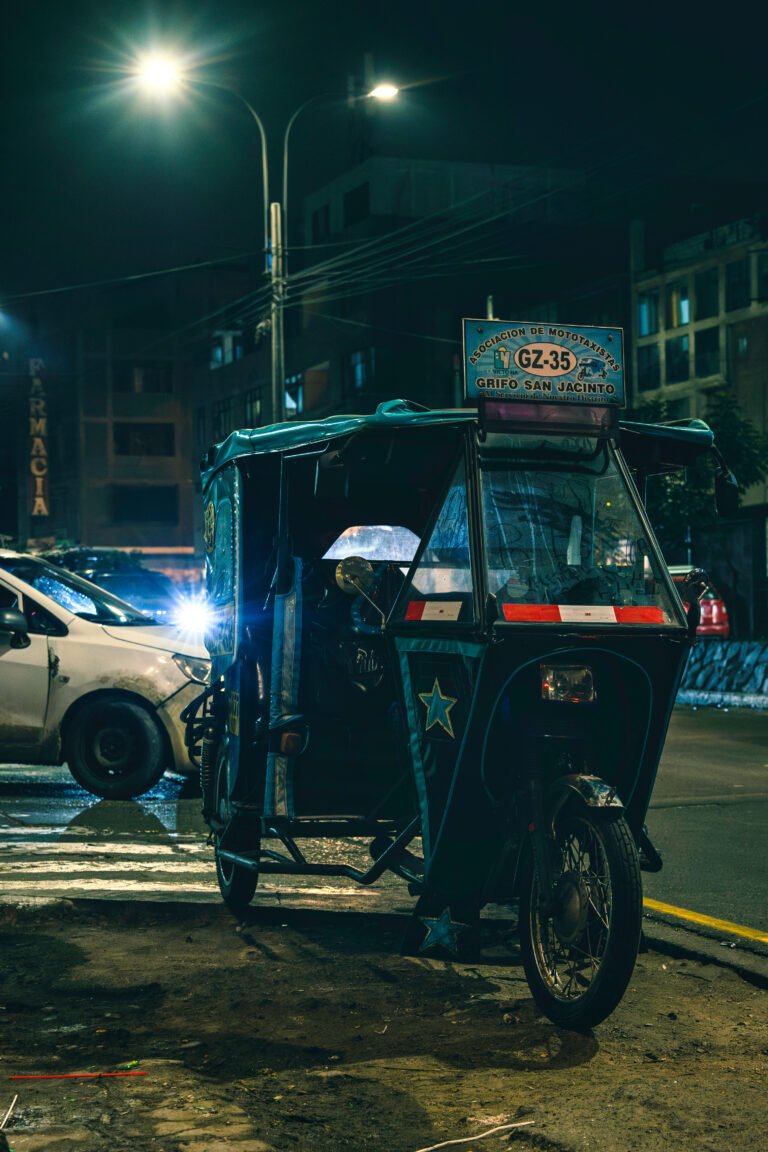
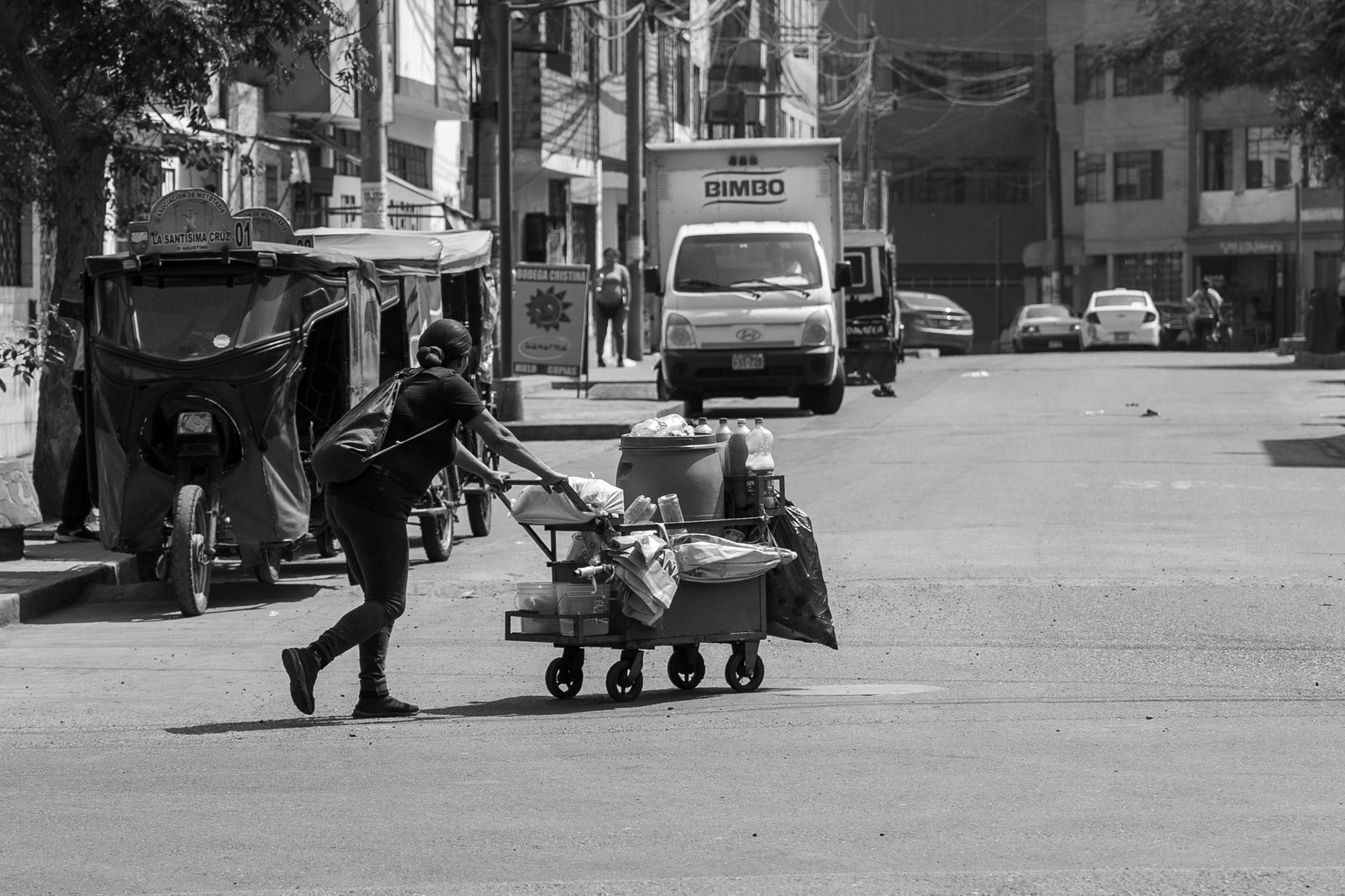
Finally, the neighborhood woke up and I saw El Agustino in broad daylight. The streets pack with traffic in a heartbeat. Mototaxis start buzzing around, people run to catch the microbus on the move—yeah, they don’t really stop, the drivers just slow down a fraction and you jump in or out. The faces here are incredible. Everything is brand new.
In the middle of all that chaos, El Agustino started bleeding a strange sense of calm, at least for me. Breakfast on the asphalt: pan con chicharrón from a street vendor. Chatting with some shopkeepers, turns out almost everyone has a relative in Italy or spent time there. And every single one of them asked me the exact same question: “How the hell did you end up in the hell of El Agustino?”
El Agustino is not a tourist spot, and it’s not an easy place to live. In certain zones, it’s pure survival. Your phone can get snatched from your hand in a blink, and armed robberies are part of the landscape. It’s definitely not a vacation destination. But anyone who knows me knows I thrive in these environments, under these rules of engagement. The country and the language might change, but the street speaks the same code everywhere. And I know how to play the game, no matter the language.
I saw right through the rough surface from day one, shifting my focus away from the trouble. There was so much good in that neighborhood, a deep warmth in the people. And time proved me right.
I started building a network. It’s tough when you’re a complete stranger, but you have to start somewhere. The local shopkeepers and street vendors are absolute goldmines for info, and the perfect hook to meet locals. You buy something, you hang around, you talk. It becomes a routine, and soon enough they’re introducing you to someone else, who then gives you the blueprint on where to go and where not to. Having contacts in places like this isn’t just smart—it’s mandatory. Otherwise, you’re just exposing yourself to senseless danger.
Las reglas de la calle no cambian de idioma.
Por fin el barrio se despertó y vi El Agustino a la luz del día. Las calles se llenan de tráfico en un parpadeo. Las mototaxis empiezan a mover a la gente, hay quien corre para subirse al microbús en marcha (sí, no paran del todo, los choferes frenan un poco y ahí te subes o te bajas). Los rostros de la gente son brutales. Todo era totalmente nuevo.
En medio de ese caos, El Agustino empezó a transmitirme tranquilidad, al menos a mí. Desayuno en la calle: pan con chicharrón de una vendedora ambulante. Charlas con los comerciantes; casi todos tenían un pariente en Italia o habían estado allí. Y todos, absolutamente todos, me hacían la misma pregunta: “¿Pero tú come carajo has terminado en el infierno de El Agustino?”
El Agustino no es un barrio turístico, ni un sitio tranquilo para vivir. En algunas zonas manda la ley de la supervivencia. El teléfono te vuela de las manos en un segundo, los asaltos a mano armada pasan. No es el lugar donde alguien iría a pasar unas vacaciones. Pero quien me conoce sabe cómo me crezco en estos contextos y en este tipo de juego. Cambia el país, cambia el idioma, pero la calle tiene las mismas reglas en todos lados. Y yo sé ser un player también en otra lengua.
Yo vi más allá desde el primer momento, saqué el foco de los problemas. Había mucho de bueno en ese barrio, gente muy entrañable y calurosa. Y el tiempo me lo confirmó.
Intenté hacer red. No es fácil en un sitio nuevo, pero hay que empezar por algún lado. Los santos comerciantes y vendedores ambulantes son las mejores minas de información que puedes encontrar, además de ser el gancho perfecto para conocer a gente del lugar. Creando la rutina de charlar después de comprar, a menudo me presentaban a locales que a su vez me daban consejos sobre las zonas. Porque tener contactos y tejer una mínima red es necesario; si piensas meterte en ciertos sitios, o tienes contactos o es solo una exposición al peligro sin sentido.
Le regole della strada non cambiano lingua.
Finalmente il quartiere si è svegliato e ho visto El Agustino alla luce del sole. Le strade si riempiono di traffico in un lampo. I mototaxi iniziano a far girare la gente, c’è chi corre per saltare al volo sul microbus – sì, i passeggeri salgono e scendono mentre il mezzo è ancora in movimento, basta che il furgone rallenti un attimo. I volti delle persone sono incredibili. Tutto è totalmente nuovo.
Nel suo caos profondo, El Agustino ha iniziato a trasudar tranquillità, almeno per me. Colazione in strada: pan con chicharrón comprato da una venditrice ambulante. Due chiacchiere con i commercianti; quasi tutti hanno un parente in Italia o ci sono stati. E tutti, ma proprio tutti, mi facevano la stessa domanda: “Ma tu, come cazzo ci sei finito nell’inferno di El Agustino?”.
El Agustino non è un quartiere turistico, e non è un posto tranquillo. Lì in mezzo vige la legge della sopravvivenza. Il telefono ti vola dalle mani in un secondo, le rapine armate non sono una novità. Non è il posto dove passeresti una vacanza. Ma chi mi conosce sa che vado a nozze con questi contesti e con queste modalità di gioco. Cambia il paese, cambia la lingua, ma la strada ha regole universali. E io so fare il player anche in un’altra lingua.
Ho visto oltre fin dal primo momento, spostando il focus al di fuori dei problemi. C’era tanto buono in quel quartiere, una terra d’umanità amabile e calorosa. E il tempo mi ha dato ragione.
Ho iniziato a fare rete. Non è facile quando sei l’ultimo arrivato, ma da qualche parte devi cominciare. I negozianti e i venditori ambulanti sono miniere d’oro per le informazioni, oltre a essere il gancio perfetto per integrarsi. Compri qualcosa, ti fermi, parli. Diventa un’abitudine, e in un attimo ti presentano qualcun altro, che a sua volta ti dà la dritta giusta per muoverti. Avere contatti in certe zone non è un consiglio: è una necessità. Altrimenti è solo un’esposizione al pericolo totalmente insensata.